
The foundation is one of the most critical elements of any building. It bears the weight of the entire structure, providing stability and support. However, over time, foundations can deteriorate due to factors such as soil movement, water damage, and age. When foundation problems arise, they can lead to serious structural issues if left unaddressed. In this blog, we’ll explore various foundation repair methods and how they can help preserve the strength and longevity of your home.
1. Understanding Foundation Problems
Before diving into repair methods, it’s important to understand the common signs of foundation problems. These include:
- Cracks in Walls or Floors: Cracks in the interior or exterior walls, floors, or foundation are often the first signs of foundation trouble. Horizontal cracks, in particular, may indicate that the foundation is under excessive pressure.
- Uneven or Sagging Floors: If the floors in your home are no longer level or sag in certain areas, this could be a sign that the foundation is settling unevenly.
- Sticking Doors and Windows: When the foundation shifts, it can cause doors and windows to become misaligned, making them difficult to open or close properly.
- Water Damage: Water pooling around the foundation or leaking into the basement can weaken the foundation and cause cracks or other issues.
2. Types of Foundation Repair
Once you’ve identified foundation problems, it’s essential to choose the appropriate repair method. The following are some of the most common foundation repair techniques used by professionals.
- Piering (Underpinning): Piering, or underpinning, is a widely used method to stabilize foundations that have settled or shifted. This process involves driving steel or concrete piers into the ground beneath the foundation to reach stable soil or bedrock. The foundation is then lifted and leveled by these piers, providing long-term support and stability. Piering is effective for homes built on expansive clay soil or areas prone to erosion.
- Slab Jacking: Also known as mudjacking, this method is used for sinking foundations or slabs. A slurry mixture of cement, sand, and other materials is injected beneath the foundation or concrete slab. As the mixture hardens, it raises the foundation back to its original level. Slab jacking is often used for smaller repairs and is less invasive than piering.
- Helical Piers: Helical piers are similar to traditional piers but have spiral-shaped plates that allow them to be screwed into the ground. This method is particularly useful in areas with poor soil conditions where traditional piers may not be effective. Helical piers provide immediate support and can be installed quickly, making them an ideal solution for emergency repairs.
3. Addressing Water-Related Foundation Issues
Water is one of the primary causes of foundation damage. Excess moisture can erode soil and cause the foundation to settle unevenly, while insufficient moisture can lead to soil shrinkage and cracks.
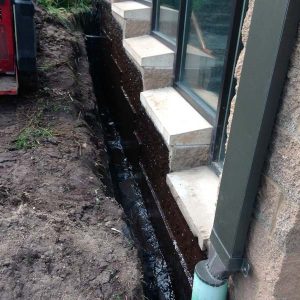
- Exterior Drainage Solutions: Improving the drainage around your home is a key step in preventing water-related foundation problems. Installing French drains, extending downspouts, or creating a slope away from the foundation can help keep water away from the base of your home, reducing the risk of erosion and settling.
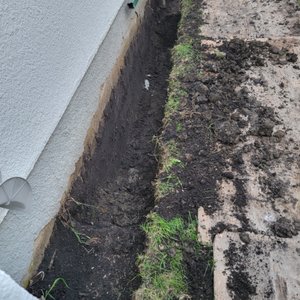
- Waterproofing: In addition to exterior drainage, waterproofing your foundation can help protect it from water damage. This involves applying a waterproof membrane to the foundation walls and installing drainage systems to channel water away.
4. Carbon Fiber Reinforcement
For foundations with minor cracks or bowing walls, carbon fiber reinforcement can be an effective solution. Carbon fiber strips are incredibly strong and lightweight, making them ideal for reinforcing concrete walls without adding extra bulk. The strips are bonded to the foundation walls using epoxy, creating a strong, stable structure that resists further movement.
5. Preventative Measures
Foundation repairs can be costly, so taking preventative measures is always a good idea. Regularly inspecting your foundation, maintaining proper drainage, and addressing small cracks before they become bigger problems can save you time and money in the long run.
Foundation repair is a critical process that ensures the safety and stability of your home. By addressing issues early and choosing the right repair method, you can safeguard your property from long-term structural damage. Whether it’s through piering, slab jacking, or carbon fiber reinforcement, investing in foundation repair will give you peace of mind and protect your home for years to come.
Contact the Professionals at Indiana Crawl Space Repair Today! 317-893-7016

Since we are constantly working on damp crawlspaces and wet basements in the greater Indianapolis area, we are experts in structural floor repairs too. Whether you have sagging, bouncy, or unlevel floors, our solutions can help you.
Plus, we’re not only waterproofers, but we’re experts in structural floor repair. Whether you have foundation cracks, drywall cracks, or sagging floors, our structural repair specialists can help fix the problem. We’ve fixed hundreds of foundations and floor systems in homes and commercial buildings throughout the area.
Fixing your damp basements and crawlspaces before it becomes a big problem is the most affordable and effective option. You’ll avoid extra costly structural repairs and decreased home value. For our trained crawlspace technicians, a typical crawlspace repair usually takes less than a few days to complete. Many of our systems come with a warranty – so that you know the problem was fixed right. Give us a call us at 317-893-7016 to request a professional evaluation from our foundation repair experts.
**Lifetime Transferrable Warranties are for the lifetime of the home or 2 transfers of ownership. The CrawlDrain drainage system warranty guarantees no standing water in the crawl space. The sump pump is a 3 year parts and labor warranty. The CrawlSeal encapsulation system warranty guarantees the seams, sealants, and against rips or tears in the plastic. For more information about the warranties, request a copy of the warranty.