
The foundation is the bedrock of any structure, and keeping it in good condition is vital for a home’s safety and stability. Foundation issues can range from minor cracks to severe structural damage, and addressing them promptly is essential. This article provides a detailed guide to foundation repair, covering common repair methods, the factors that affect costs, and the long-term benefits of investing in foundation repair.
Understanding Foundation Issues: Why They Occur and What to Look For
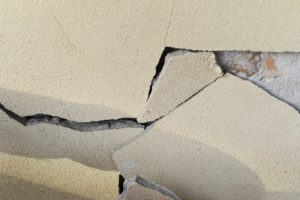
Foundation problems are often caused by soil instability, water damage, and environmental factors. Identifying the signs of foundation issues early on can save homeowners time and money on extensive repairs.
1. Common Causes of Foundation Problems
- Soil Type and Movement: Expansive soils, which swell when wet and shrink when dry, can cause foundation movement. This type of soil is particularly problematic in regions with heavy clay content, as it shifts and puts stress on the foundation over time.
- Water Damage and Poor Drainage: Excess moisture around the foundation can erode the soil and lead to cracking. Improper drainage systems or blocked gutters can worsen this effect, leading to foundation damage.
- Temperature and Weather Changes: Seasonal changes, such as freezing and thawing cycles, can cause the soil to expand and contract, affecting the stability of the foundation.
- Tree Roots and Vegetation: Roots from trees and large plants can grow toward the foundation, disturbing the soil and causing pressure against foundation walls.
2. Signs of Foundation Problems
- Visible cracks in walls, floors, or the exterior of the foundation.
- Doors and windows that are difficult to open or close.
- Uneven or sloping floors.
- Gaps between walls, ceilings, or floors.
- Water seepage in the basement or crawlspace.
If you notice any of these signs, it’s essential to consult a foundation repair specialist to assess the extent of the damage.
Foundation Repair Techniques: Solutions for Every Problem
There are various foundation repair techniques available, each suited to different types and severities of foundation issues. Here are some of the most common methods:
1. Steel Piers and Helical Piers
Steel piers and helical piers are commonly used to stabilize and lift foundations that have settled due to soil instability. Both types of piers are driven deep into the ground to anchor the foundation to more stable soil layers or bedrock.
- Steel Piers: These piers are hydraulically driven into the soil until they reach load-bearing soil. They are often used to support heavier structures and provide long-term stability.
- Helical Piers: Helical piers have helical plates that are twisted into the soil, providing support for lighter structures. This method is particularly effective for homes with crawlspaces or uneven soil conditions.
2. Concrete Slab Jacking (Mudjacking)
Concrete slab jacking, or mudjacking, is a process used to raise sunken concrete slabs by injecting a slurry mixture beneath them. This technique is commonly used to repair sinking driveways, sidewalks, and concrete foundations. It’s a cost-effective solution for minor settlement issues but may not be suitable for larger structural repairs.
3. Carbon Fiber Reinforcement
For minor cracks in foundation walls, carbon fiber strips can be applied to strengthen and stabilize the structure. Carbon fiber reinforcement is an affordable, non-invasive solution for preventing further cracking in basement walls. This method works well for homes with minor foundation movement or bowing walls, as the strips bond to the wall and create additional support.
4. Epoxy and Polyurethane Injections
If foundation cracks are allowing water to seep into the basement, epoxy and polyurethane injections can be used to seal the cracks. Epoxy injections are typically used for structural repairs, while polyurethane injections are ideal for preventing water infiltration. These injections fill cracks and restore the structural integrity of the foundation without requiring excavation.
5. Grading and Drainage Solutions
Improving the drainage around the home is essential for preventing future foundation problems. Grading the soil to slope away from the foundation, installing French drains, and maintaining gutters can help keep excess moisture from accumulating around the foundation. Proper drainage solutions are a preventive measure that minimizes the risk of water damage and soil erosion.
Factors Affecting Foundation Repair Costs
The cost of foundation repair varies based on several factors, including the extent of the damage, the repair method used, and the region in which you live. Here’s a closer look at the elements that influence foundation repair costs:
1. Type of Repair Method
Each repair technique comes with a different price range. Minor repairs, such as crack sealing and mudjacking, tend to be more affordable, while steel or helical pier installations are generally more expensive due to the labor and materials involved.
 2. Severity of the Damage
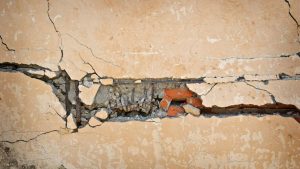
The more extensive the foundation damage, the higher the repair cost. Small cracks and minor settlement issues require less labor and fewer materials, while major structural problems may necessitate more comprehensive solutions.
3. Accessibility and Location
The ease of accessing the foundation for repairs can impact the cost. Homes with difficult-to-reach crawlspaces or basements may require additional labor, leading to higher costs.
4. Soil Conditions
Soil conditions and local climate can also affect repair costs. Expansive soils, heavy clay content, or unstable ground may require additional steps for stabilization, increasing the overall expense.
5. Additional Services
In some cases, foundation repair may involve additional services, such as waterproofing, drainage system installation, or landscaping. These extra services can add to the total cost but may be necessary for long-term stability.
Long-Term Benefits of Investing in Foundation Repair
Investing in foundation repair is a wise choice that offers multiple long-term benefits, both in terms of property value and structural stability. Here are some key advantages:
1. Enhanced Structural Stability and Safety
Repairing foundation issues improves the structural integrity of your home, making it safer for occupants. It also reduces the risk of further damage, which can lead to more costly repairs if left untreated.
2. Increased Property Value
Homes with stable foundations are more attractive to buyers and appraisers. A history of foundation repair can increase your home’s value, as it demonstrates that proactive measures were taken to maintain the property’s structural health.
3. Prevention of Water Damage and Mold
Foundation cracks can allow water to seep into your basement or crawlspace, leading to mold growth and moisture damage. By repairing cracks and sealing the foundation, you prevent water infiltration and create a healthier living environment.
4. Lower Maintenance and Utility Costs
A stable foundation prevents issues like uneven floors, sticking doors, and drafty windows, which can result in higher energy costs. Addressing foundation problems reduces the need for frequent repairs and maintenance, saving you money in the long run.
5. Protection for Other Structural Elements
Foundation issues can have a cascading effect, impacting other areas of the home, such as walls, floors, and roofing. By addressing foundation problems, you protect the entire structure and minimize the risk of damage to other components of the house.
Choosing a Foundation Repair Specialist
When selecting a foundation repair contractor, it’s essential to look for a company with a solid reputation and experience in foundation repair. Here are some tips for finding a reliable contractor:
Verify Credentials: Ensure the contractor is licensed, insured, and has experience with the specific repair methods needed for your home.
Ask for References: Request references from previous clients to gauge their satisfaction with the contractor’s work.
Request a Detailed Estimate: A reputable contractor will provide a detailed estimate that outlines the scope of work, repair methods, and costs.
Inquire About Warranties: Many foundation repair companies offer warranties on their work. Ask about warranty terms and conditions to understand what’s covered.
Foundation repair is an investment in your home’s safety, value, and longevity. Understanding the causes of foundation problems, recognizing the signs, and choosing the right repair method can help you address issues effectively and prevent future damage. From steel piers to epoxy injections, various repair techniques offer solutions for different types of foundation issues, allowing homeowners to restore their home’s stability.
By consulting a professional foundation repair specialist, you can assess your foundation’s condition and take steps to protect your property for the long term. Taking action to repair and maintain your foundation today will pay off in peace of mind, increased property value, and a safer, more comfortable home environment for years to come.
Contact the Professionals at Indiana Crawl Space Repair Today! 317-893-7016

Since we are constantly working on damp crawlspaces and wet basements in the greater Indianapolis area, we are experts in structural floor repairs too. Whether you have sagging, bouncy, or unlevel floors, our solutions can help you.
Plus, we’re not only waterproofers, but we’re experts in structural floor repair. Whether you have foundation cracks, drywall cracks, or sagging floors, our structural repair specialists can help fix the problem. We’ve fixed hundreds of foundations and floor systems in homes and commercial buildings throughout the area.
Fixing your damp basements and crawlspaces before it becomes a big problem is the most affordable and effective option. You’ll avoid extra costly structural repairs and decreased home value. For our trained crawlspace technicians, a typical crawlspace repair usually takes less than a few days to complete. Many of our systems come with a warranty – so that you know the problem was fixed right. Give us a call us at 317-893-7016 to request a professional evaluation from our foundation repair experts.
**Lifetime Transferrable Warranties are for the lifetime of the home or 2 transfers of ownership. The CrawlDrain drainage system warranty guarantees no standing water in the crawl space. The sump pump is a 3 year parts and labor warranty. The CrawlSeal encapsulation system warranty guarantees the seams, sealants, and against rips or tears in the plastic. For more information about the warranties, request a copy of the warranty.