
While you might think that a little dampness in your basement isn’t a big deal, neglecting this issue can lead to major problems down the line, including structural damage and potential health risks. Don’t let this intimidate you though, as keeping your basement dry is simpler than you might imagine. By understanding the sources of moisture and employing effective waterproofing methods, you can maintain a dry, safe, and comfortable basement. Stick around to discover the essential strategies and tools to achieve this – you may be surprised at how manageable the process can be.
Understanding Basement Moisture Sources
In tackling basement waterproofing, it’s crucial to first understand the sources of basement moisture. You’ll find that moisture typically infiltrates your basement in three main ways.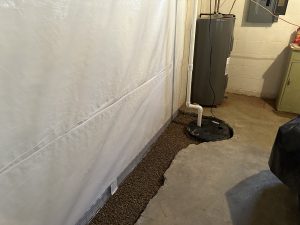
Firstly, there’s condensation. This occurs when humid air comes into contact with cool basement surfaces, including walls, pipes, and metal fixtures. It’s akin to a cold soda can on a hot day; the moisture in the warm air cools down and turns into droplets on the cold surface.
Secondly, you have runoff, which is often the culprit during heavy rains or melting snow. Water can seep into your basement if it’s not properly directed away from your home’s foundation. This can be due to incorrectly positioned downspouts or the lack of a sufficient slope away from your house.
Lastly, there’s groundwater swelling. This is when the soil around your home becomes saturated with water, raising the water table. When the water table rises above the level of your basement floor, it can lead to basement flooding.
Understanding these sources will enable you to take the necessary steps to protect your basement from moisture. Remember, knowledge is the first line of defense.
The Importance of Proper Drainage
To protect your basement from unwanted moisture, you’ll find proper drainage to be an essential factor. Without effective drainage, water can pool around your home’s foundation, seeping into the basement and leading to issues like mold, mildew, and structural damage.
A well-planned drainage system channels water away from your home, reducing the potential for these problems. This involves two key elements; gutters and downspouts, and grading.
Your gutters and downspouts play a vital role in directing rainwater away from your home. Confirm they’re free of debris and properly aligned to avoid overflow and water buildup around your foundation.
Next, consider your yard’s grading. Ideally, your property should slope away from your home, promoting natural water runoff. If it doesn’t, you may need to regrade or install a French drain system to help divert water away.
Exploring Different Waterproofing Methods
While proper drainage is a significant step towards keeping your basement dry, it’s not the only defense against moisture intrusion.
Now, let’s explore different waterproofing methods to further safeguard your basement.
One method you might consider is the application of waterproofing sealants. These products are designed to create a watertight barrier on your basement walls, preventing water from seeping through.
They’re typically easy to apply, but keep in mind, they’re not always a permanent solution.
Another method is installing a sump pump. This device collects excess water in your basement and pumps it out, keeping the area dry.
It’s particularly useful in areas prone to heavy rainfall or if your home is situated in a low-lying area.
Lastly, there’s the option of installing a French drain. This involves digging a trench around your home, filling it with gravel, and placing a perforated pipe to direct water away from your foundation.
This can be quite an undertaking but can be highly effective.
Interior Vs. Exterior Waterproofing
Let’s now turn our attention to the comparison between interior and exterior waterproofing.
You might wonder about the differences and advantages of each method in dealing with basement moisture problems.
Understanding the specifics of both interior and exterior waterproofing can aid you in making an informed decision about your basement’s needs.
Understanding Interior Waterproofing
Diving into the domain of basement waterproofing, you’ll find there are two primary types: interior and exterior.
Now, let’s focus on understanding interior waterproofing, the first of these two methods.
Interior waterproofing, also known as water control, doesn’t stop the water from entering your basement. Instead, it manages the water that gets in and directs it to your basement’s drainage system. It’s often the method of choice when exterior waterproofing isn’t practical or cost-effective.
This method includes several techniques. You might use sealants on your basement walls to keep humidity levels down.
However, sealants aren’t a solution for significant water infiltration. For more severe issues, you’ll need to turn to interior drainage systems.
These systems collect water entering your basement and channel it away, usually into a sump pump system that ejects the water out and away from your home.
Exterior Waterproofing Explained
Shifting our focus from the interior, we now explore the domain of exterior waterproofing. As a homeowner, this method is vital in your quest to keep your basement dry. It’s designed to stop water from making its way into your basement walls, fundamentally providing a robust shield against moisture.
Exterior waterproofing involves excavating the area around your home’s foundation. Then, a waterproof coating or membrane is applied to the exterior of your walls. This barrier stops water from seeping into the basement, even during heavy rain or snowmelt.
Additionally, installing a drainage system around your foundation will help drive water away from your home. These systems usually comprise drain tiles, gravel, or a French drain system. They’re designed to redirect water that collects near the foundation, preventing it from causing any damage.
Unlike interior waterproofing, exterior methods target the source of the problem – water outside your home. While it’s typically more expensive and labor-intensive, it’s also more effective in the long run.
Think of it as a solid investment that safeguards your home’s integrity, maintains its value, and keeps your basement dry and comfortable.
How to Choose the Right Sealant
Often, selecting the right sealant is a critical step in basement waterproofing. You’re spoilt for choice, but don’t let that intimidate you. The correct sealant depends on your basement’s condition and the type of water issues you’re dealing with.
Firstly, consider the type of surface you’re dealing with. Masonry sealants are perfect for brick or concrete, while a rubber sealant might be best for areas with piping or wiring.
Consider the level of moisture your basement experiences. Some sealants are better at handling high moisture levels than others.
Next, think about the longevity of the sealant. While all sealants eventually wear down, some offer longer-lasting protection. You’ll want a sealant that can withstand the test of time, particularly if you’re in an area with heavy rainfall.
Lastly, balance cost and quality. You don’t want to skimp and regret it later when water damage occurs. But you also don’t need to break the bank.
There’s a sealant for every budget, so take your time and pick the one that’s right for you and your basement. Your dry, cozy basement will thank you!
Drying Out After a Basement Flood
In the aftermath of a basement flood, it’s crucial to prioritize drying out the space to prevent further damage. Water can wreak havoc on your basement, leading to structural damage and promoting mold growth.
Start by removing any standing water. You can use a wet vacuum or a pump for this task. Once standing water is gone, it’s time to tackle the dampness. Opening windows and doors can help, but you’ll likely need a dehumidifier to effectively dry out the area.
Don’t forget about your belongings. Any items that got wet should be removed from the basement and dried out separately. Non-porous items can be cleaned and sanitized, but porous materials, like fabric or paper, may need to be discarded if they’ve been saturated.
Lastly, make sure your basement is well-ventilated. Use fans to circulate air and speed up the drying process.
Be patient, though. Drying out a flooded basement isn’t an overnight job. It can take several days or even weeks, depending on the severity of the flood. The key is to be thorough and persistent to protect your basement from long-term damage.
Maintaining Your Sump Pump
Now that your basement is dry, it’s vital to maintain your sump pump to prevent future water issues.
We’ll provide you with essential sump pump maintenance tips and help you troubleshoot common problems.
Sump Pump Maintenance Tips
Regular maintenance of your sump pump can considerably extend its lifespan and guarantee it operates efficiently when you need it most.
Even though it’s a simple device, there are a few things you should regularly check to verify it’s working properly.
Firstly, check the power source. Your sump pump should be plugged into a Ground Fault Circuit Interrupter (GFCI) outlet, which protects it from electrical shorts. If you notice any damage to the cord or the outlet, you’ll need to replace them to prevent potential accidents.
Secondly, clean the pump and the pit. Over time, debris like dirt, sand, or gravel can accumulate in the pit, which might cause your pump to malfunction. You’ll need to clean it out regularly to verify your pump doesn’t get clogged.
Lastly, test your pump. Pour a bucket of water into the pit and see if the pump starts automatically and drains the water quickly. If it doesn’t, you might need to check the float switch or the check valve.
Troubleshooting Sump Pump Issues
Steering through sump pump issues may seem intimidating, but a basic understanding of common problems can save you both time and money. So, let’s dive right in.
A common issue you might face is when your sump pump doesn’t turn on. This could be due to a power failure, misplaced float switch, or a blown fuse. Be certain to check these aspects first.
If they’re fine, your pump might be clogged or frozen. Clear any blockages and verify the pump isn’t in a freezing environment.
Another problem could be the sump pump running non-stop. This can be due to a stuck switch, a pump that’s too small for your home, or a faulty check valve.
Make sure the switch isn’t obstructed, consider upgrading to a larger pump if necessary, and replace the valve if it’s not working.
Lastly, if you notice your pump making strange noises, it could signal worn or damaged parts. Investigate the cause and replace any defective components.
The Role of Dehumidifiers

While you may not realize it, dehumidifiers play an essential role in maintaining a dry and healthy basement environment. These devices work by extracting excess moisture from the air, reducing the humidity level in your basement. This is vital since basements often have poor ventilation, leading to a build-up of dampness.
Excess humidity can cause a myriad of issues. For one, it can make your basement feel uncomfortably stuffy. However, it’s not just about comfort. High humidity can also cause structural damage to your home. It can make paint peel, wood warp, and promote the corrosion of metal fixtures.
That’s where dehumidifiers come in. By maintaining a balanced humidity level, dehumidifiers help protect your home and its contents. They can also help prevent unpleasant damp odors, creating a more comfortable living environment.
When selecting a dehumidifier, consider the size of your basement and the severity of your humidity problem. A small, portable dehumidifier may suffice for a minor issue, but for larger spaces or more severe dampness, a larger, more powerful model may be necessary.
Preventing Mold and Mildew Growth
You mightn’t see it immediately, but a damp basement provides a perfect breeding ground for mold and mildew. These unwelcome guests can quickly spread throughout your home, causing health issues and damaging property. Consequently, it’s essential to prevent their growth.
Begin by controlling humidity levels. Invest in a good-quality dehumidifier for your basement. It’ll help maintain an environment where mold and mildew can’t thrive.
Guarantee proper ventilation, too. Air movement inhibits mold growth by drying out excess moisture, so open windows when you can and consider installing exhaust fans.
Next, look at your basement’s insulation. Poor insulation can lead to condensation, a prime factor in mold growth. Upgrading to high-quality insulation can help reduce moisture and improve energy efficiency.
Don’t overlook potential water leaks either. Small leaks might seem insignificant, but they can contribute to a damp environment that encourages mold and mildew.
Regularly inspect your pipes, walls, and floors for signs of water damage. If you find any, act immediately.
Waterproofing Costs and Considerations
Steering through the sea of waterproofing options can be intimidating, not to mention the various costs associated with each.
It’s essential to understand that the price of waterproofing your basement isn’t just a one-size-fits-all figure, but rather, it’s dependent on several factors.
Firstly, consider the method of waterproofing you’re choosing. Interior waterproofing, often less costly, involves methods like sealants and coatings, or water control systems like sump pumps.
Exterior waterproofing, which is more thorough and effective, can be pricier due to the excavation required.
Secondly, the size and condition of your basement affect the cost. Larger basements require more materials and labor, increasing the overall expense.
Similarly, if your basement has severe water damage or structural issues, additional repairs will hike up the price.
Lastly, labor costs vary by region and contractor. It’s worth getting multiple quotes to make sure you’re getting a fair deal.
Conclusion
So, you’ve become a basement waterproofing wizard! Remember, your basement doesn’t have to be a damp, dreary dungeon. Proper drainage, sealants, and a diligent sump pump can banish moisture like a bad habit. Don’t forget about those pesky molds though, they’re like uninvited guests who won’t leave. Invest wisely in waterproofing, it’s cheaper than a submarine basement. With your newfound knowledge, wave goodbye to wet woes and say hello to a dry, happy home.

Since we are constantly working on damp crawlspaces and wet basements in the greater Indianapolis area, we are experts in structural floor repairs too. Whether you have sagging, bouncy, or unlevel floors, our solutions can help you.
Plus, we’re not only waterproofers, but we’re experts in structural floor repair. Whether you have foundation cracks, drywall cracks, or sagging floors, our structural repair specialists can help fix the problem. We’ve fixed hundreds of foundations and floor systems in homes and commercial buildings throughout the area.
Fixing your damp basements and crawlspaces before it becomes a big problem is the most affordable and effective option. You’ll avoid extra costly structural repairs and decreased home value. For our trained crawlspace technicians, a typical crawlspace repair usually takes less than a few days to complete. Many of our systems come with a warranty – so that you know the problem was fixed right. Give us a call us at 317-893-7016 to request a professional evaluation from our foundation repair experts.
**Lifetime Transferrable Warranties are for the lifetime of the home or 2 transfers of ownership. The CrawlDrain drainage system warranty guarantees no standing water in the crawl space. The sump pump is a 3 year parts and labor warranty. The CrawlSeal encapsulation system warranty guarantees the seams, sealants, and against rips or tears in the plastic. For more information about the warranties, request a copy of the warranty.