
You’ve decided to tackle basement waterproofing, but did you know there are common missteps that can lead to severe water damage? It’s not just about slapping on a coat of waterproof paint or installing a sump pump. From neglecting proper drainage to ignoring moisture control, there are numerous errors you could be making without even realizing it. So, how can you guarantee you’re not falling into these traps and creating a bigger issue? Let’s explore these pitfalls and the best ways to avoid them, saving you time, money, and potential headaches down the line.
Neglecting Proper Drainage
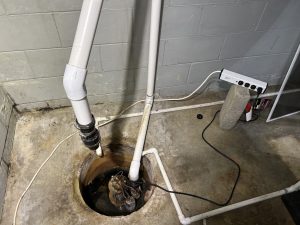
A critical error many homeowners make lies in neglecting proper drainage in their basements. You might think that a bit of water can’t cause much harm, but you’d be sorely mistaken. Uncontrolled moisture in your basement can lead to a myriad of problems – from mold growth to structural damage.
Proper drainage begins outside your home. Make certain your gutters are clean and free of debris, with downspouts directing water at least five feet away from your foundation. This helps to prevent water pooling around your home’s base, which can seep into your basement.
Next, consider your home’s grading. If your yard slopes towards your house, you’re inviting water in. Re-grade your yard so that it slopes away from your home, further helping to keep your basement dry.
Inside your home, a sump pump can be a lifesaver. This device pumps water collected in a sump basin out of your home, preventing it from causing damage.
Don’t neglect proper drainage. It’s an essential step in making sure your basement stays dry and your home remains safe and sound.
Incorrect Waterproofing Material Selection
Choosing the wrong waterproofing materials can lead to a host of problems down the line. It’s not just about slapping on any old sealant and calling it a day. You’ve got to make the right selection, and here’s why.
You see, different materials have different strengths and weaknesses. Some are better at resisting hydrostatic pressure, while others excel at sealing hairline cracks. Still, others are formulated to adhere better to concrete, brick, or stone.
If you’re not careful, you might select a product that’s ill-suited to your basement’s specific needs. That’s a recipe for water damage and costly repairs down the line.
Don’t make the mistake of thinking all waterproofing products are created equal. They’re not. Likewise, don’t assume that the most expensive product is automatically the best. It’s not.
You’ve got to do your homework, understand your basement’s specific needs, and select the right product accordingly.
Overlooking Crack Repair Importance
While selecting the right waterproofing material is key, ignoring the significance of crack repair can undermine your entire basement waterproofing effort. Cracks, both large and small, can serve as gateways for water and moisture, potentially leading to dampness, mold growth, and structural damage.
You might think a small crack isn’t much of a problem, but you’d be mistaken. As water seeps in, it can expand and contract with temperature changes, causing that tiny crack to grow. Over time, it can compromise the integrity of your foundation.
Repairing cracks isn’t just about filling them with a patching compound and hoping for the best. It’s about identifying the cause, selecting the appropriate repair material and technique, and ensuring the job is done correctly.
It’s also about regular inspections, because new cracks can form as your house settles or as a result of external pressure changes.
Ignoring Moisture Control Techniques
Plunging headfirst into a basement waterproofing project without incorporating moisture control techniques is a recipe for disaster.
It’s not just about applying a coat of waterproof paint and calling it a day. Moisture control is a critical aspect that requires significant attention.
Understanding the source of moisture is your first step. Is it condensation, runoff, or groundwater? Answering this question can guide your moisture control strategy.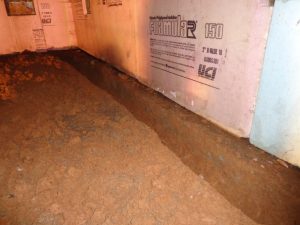
For instance, if condensation is the issue, you might need to think about insulation and ventilation improvements. On the other hand, problems with runoff could call for better gutter systems or landscaping changes.
Next, consider where moisture could be sneaking in. Are there any cracks or crevices? If so, these need to be sealed properly.
Additionally, consider the use of a moisture barrier. This can be a plastic or foil sheet, or a spray-on coating, which prevents moisture from penetrating the basement walls and floor.
Lastly, don’t forget about your sump pump. It’s a key player in controlling basement moisture, especially in areas prone to flooding or high groundwater levels.
Regular maintenance and checks guarantee it’s working properly when you need it most.
Avoiding Professional Consultation
Despite the allure of a do-it-yourself approach, bypassing professional consultation in your basement waterproofing project can lead you down a costly and frustrating path. You may feel confident in your abilities, but waterproofing requires a level of expertise that you mightn’t have.
Experts can identify hidden problems, suggest suitable materials, and provide insights into the most effective waterproofing methods.
Remember, you’re not just dealing with a leaky faucet, but your home’s stability. Missteps can lead to structural damage, mold growth, and a decrease in your property’s value. You wouldn’t want to find out too late that your DIY attempts have caused more harm than good, would you?
Professional consultation can also save you time. Instead of spending hours researching, buying materials, and attempting to waterproof your basement, let the experts handle it.
They’ve done it countless times before and know how to do it efficiently.
Don’t let your basement turn into a swampy nightmare, like John did when he dismissed the importance of proper drainage. Be smart and avoid the common missteps in basement waterproofing. Keep those gutters clear, select the right waterproofing materials, repair cracks promptly, implement moisture control, and don’t shy away from seeking professional advice. It’s about preserving your home’s integrity and your peace of mind. After all, prevention is cheaper and easier than the cure.

Since we are constantly working on damp crawlspaces and wet basements in the greater Indianapolis area, we are experts in structural floor repairs too. Whether you have sagging, bouncy, or unlevel floors, our solutions can help you.
Plus, we’re not only waterproofers, but we’re experts in structural floor repair. Whether you have foundation cracks, drywall cracks, or sagging floors, our structural repair specialists can help fix the problem. We’ve fixed hundreds of foundations and floor systems in homes and commercial buildings throughout the area.
Fixing your damp basements and crawlspaces before it becomes a big problem is the most affordable and effective option. You’ll avoid extra costly structural repairs and decreased home value. For our trained crawlspace technicians, a typical crawlspace repair usually takes less than a few days to complete. Many of our systems come with a warranty – so that you know the problem was fixed right. Give us a call us at 317-893-7016 to request a professional evaluation from our foundation repair experts.
**Lifetime Transferrable Warranties are for the lifetime of the home or 2 transfers of ownership. The CrawlDrain drainage system warranty guarantees no standing water in the crawl space. The sump pump is a 3 year parts and labor warranty. The CrawlSeal encapsulation system warranty guarantees the seams, sealants, and against rips or tears in the plastic. For more information about the warranties, request a copy of the warranty.