
Ever wondered why your basement is always dry and safe from the potential damage water can inflict? Well, you’ve got your home’s drainage system to thank for that. It’s a silent guardian that works tirelessly to keep water at bay, and it’s much more complex than you might think. From sump pumps and French drains to drain tiles, there’s a lot to learn about these unsung heroes. Want to know more? Let’s explore how these systems prevent flooding, reduce mold growth, and contribute to a healthier living environment in your home.
Understanding Basement Drainage Systems
Nearly every homeowner will, at some point, grapple with the nuances of basement drainage systems. You’re no exception. Understanding these systems isn’t just about knowing where the water goes; it’s about understanding the mechanics that facilitate efficient drainage.
To start, you’ve got the footing drain— a perforated pipe installed around the exterior of your home’s foundation. It’s designed to catch water before it infiltrates your basement, channeling it away from your home. However, it’s not a failsafe. Silt can clog these drains, making them ineffective over time.
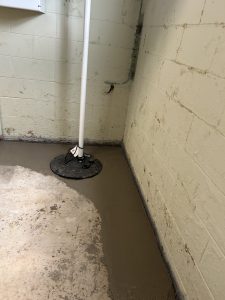
Next, consider the sump pump. It’s your basement’s best friend when it comes to managing water. When water levels rise, the sump pump kicks in, expelling water from your property.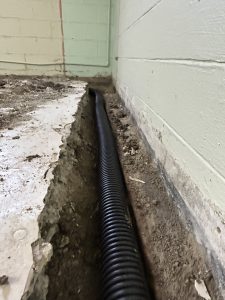
You’ve also got your French drains. They’re trenches filled with gravel or rock containing a perforated pipe that directs surface water away from your home. They’re essential to preventing water from pooling around your property.
Lastly, think about the role of gutters and downspouts. They’re not in your basement, but they play a vital role in directing water away from your home’s foundation.
Understanding these systems means understanding the fight against water damage. It’s technical, yes, but imperative for maintaining a dry basement.
Importance of Dry Basements
Having a dry basement is more than just a comfort; it’s a necessity. It’s one of those elements in your house that can either enhance or diminish your quality of life. When it’s dry, it’s an asset; when it’s wet or damp, it’s a liability.
Consider these four vital reasons why a dry basement is so important:
- Health: Damp basements can foster the growth of mold and mildew. These fungi can cause respiratory problems, allergies, and other health issues.
- Property Value: A dry, well-maintained basement increases your property’s value and appeal. Potential buyers aren’t attracted to homes with damp, leaky basements.
- Storage Space: A dry basement provides additional, usable space for storage. You don’t want your belongings ruined by dampness and mold.
- Structural Integrity: Chronic moisture can weaken your home’s foundation. Over time, this can lead to cracks, buckling, and serious structural damage.
Types of Basement Drainage Systems
Now, let’s turn our attention to the various types of basement drainage systems.
Specifically, you’ll need to contemplate the differences and benefits of both interior and exterior drainage options.
Interior Drainage Options
Understanding the various options for interior drainage systems can empower you to make the best decisions for your dry basement. The right system can effectively channel water away, preventing any potential damage.
- Sump Pumps: These are typically installed in the lowest part of the basement. When water enters the sump pit, it’s automatically pumped out and away from your home.
Sump pumps require electricity, so consider a battery backup system for power outages.
- French Drains: Installed around the perimeter of your basement, these drains collect water from the walls and floor, redirecting it to a sump pump or external drain.
- Baseboard Drains: These are installed along the joint where the floor meets the wall. They’re less invasive than French drains but still effectively collect and redirect water.
- Slot Drains: Ideal for basements with concrete floors, these require cutting a narrow groove in the concrete to collect and divert water.
Exterior Drainage Solutions
Exploring exterior drainage solutions, also known as types of basement drainage systems, can provide an effective way to manage water around your home’s foundation.
It’s vital to understand how these systems work to prevent unwanted water seepage into your basement.
The most common type of exterior drainage solution is the French drain. This system involves creating a trench around the perimeter of your home, filling it with gravel, and installing a perforated pipe that directs water away from your foundation.
It’s an efficient solution, but it’ll require significant time and effort to install properly.
A different option is the gutter system. By directing roof runoff away from your foundation, you’ll reduce the amount of water that can seep into your basement.
It’s a simpler solution, but it’s important to regularly clean and maintain your gutters to guarantee their effectiveness.
The last commonly used system is the dry well. This is a hole dug in the ground, filled with gravel or rubble, where excess water is directed and allowed to slowly soak into the ground.
It’s a natural solution, but its effectiveness can be limited in areas with heavy rainfall.
Installation Process for Drainage Systems
To guarantee a dry basement, installing a proper drainage system is an essential step. It not only helps to keep your basement dry but also extends the lifespan of your building.
Let’s break down the installation process into four manageable steps:
- Excavate the area: You’ll first need to dig a trench around the perimeter of your basement. Verify you’re wearing appropriate safety gear and that you’re aware of any buried utilities in the area.
- Install the pipes: Next, lay perforated pipes along the trench. These pipes will collect the water and divert it away from your basement. Be sure the pipes slope away from your home to facilitate water flow.
- Add gravel and a filter fabric: Cover the pipes with gravel to prevent soil from clogging them. Then, add a layer of filter fabric to prevent further soil intrusion.
- Backfill the trench: Finally, fill the trench back in with soil. This should leave you with a functional drainage system.
Preventing Moisture With Drainage
Now that you’ve installed your new drainage system, it’s time to look at how this system aids in preventing moisture in your basement. The primary function of a drainage system is to reroute water away from your home. By doing so, it reduces the chances of water seeping into your basement walls and floor, which is the main cause of a damp basement.
A well-designed system will collect water from different areas around your house, such as the roof, garden, and driveway. It then directs this water into the drainage channel, which carries it safely away from your home. This process prevents water from pooling around your house, which can lead to a buildup of hydrostatic pressure.
High hydrostatic pressure can crack your basement walls and floor, causing water to seep in and create a damp environment. The system also plays an essential role in preventing groundwater infiltration. By lowering the water table around your house, it reduces the amount of water that can seep into your basement.
This way, even during heavy rains, your basement stays dry. Understanding this mechanism is important to maintaining your drainage system and ensuring a dry basement.
Drainage Systems and Mold Prevention
A properly functioning drainage system not only keeps your basement dry but also plays a critical role in mold prevention.
Here’s why: Mold spores thrive in moist, dark environments. When your basement’s drainage system fails, water collects and creates the perfect breeding ground for these pesky fungi.
Now, let’s consider how a well-designed drainage system can help prevent mold growth:
- Regulates moisture levels: Any excess water is promptly removed, leaving no room for mold to grow.
- Improves air circulation: By reducing dampness, it promotes better airflow, thereby discouraging mold development.
- Keeps building materials dry: Waterlogged materials like wood and drywall are hotspots for mold. A robust drainage system keeps these dry, thwarting mold’s spread.
- Prevents water stagnation: Stagnant water is a mold magnet. With efficient drainage, water won’t pool and stagnate.
Drainage Systems: A Structural Necessity
You must appreciate the importance of basement drainage systems, not only for a dry basement but also as a structural necessity.
An effective system can help you prevent serious water-related problems, safeguarding the integrity of your basement.
Understanding the available options and selecting the right system for your specific needs is key to this process.
Understanding Basement Drainage Systems
Basement drainage systems, often overlooked, are an essential part of your home’s structural integrity. They’re designed to divert water away from your basement, ensuring it stays dry and free from potential water damage.
Understanding how these systems work is vital in maintaining your home’s overall health.
First, let’s examine four key components of a standard basement drainage system:
- Drain Tiles: These are pipes with holes in them placed around the foundation or underneath your basement floor. Water entering this area is quickly directed away, preventing any potential flooding.
- Sump Pit: This is a pit where water gathered from the drain tiles collects.
- Sump Pump: This device pumps out the water collected in the sump pit, pushing it away from your home.
- Discharge Pipe: This pipe carries the water pumped out by the sump pump, directing it away from your home.
Preventing Basement Water Problems
Understanding the components of a basement drainage system, from drain tiles to discharge pipes, equips homeowners with a solid foundation for preventing basement water problems.
Remember, it’s not just about getting rid of the water, but also managing where it goes. A well-designed drainage system channels water away from your home’s foundation, reducing the risk of water damage.
Let’s explore the specifics. Drain tiles, often made of PVC or flexible plastic, play an essential part. Installed at the base of your foundation, they collect excess groundwater, directing it into your drainage system.
The water then flows through discharge pipes, which carry it away from your home.
However, it’s not enough to have these components in place. Regular maintenance is key. Check your drain tiles for blockages or damage and keep them clear of debris.
Inspect your discharge pipes for leaks, ensuring they’re well-sealed and pointed away from your home.
Additionally, consider the slope of your yard. Ideally, it should be graded away from your house to prevent water from pooling near your foundation.
A well-maintained drainage system, combined with thoughtful landscaping, can help keep your basement dry and your home safe.
Choosing the Right System
Steering through the world of drainage systems can feel like a formidable task, given the range of options and the technical considerations involved.
But don’t panic! You’re capable of selecting the right system for your basement’s needs, with the right guidance and information.
To make an informed choice, consider these key factors:
- Size of your property: Large properties may require more complex systems like French drains, while for smaller areas, simple trench drains might suffice.
- Soil type: Clay-rich soils don’t drain well, requiring systems with higher capacity. Sandy soils, on the other hand, may only need simpler setups.
- Climate: If you’re in a region with heavy rainfall, opt for a high-capacity system. Drier climates may only need basic drainage.
- Budget: More detailed systems can be costly. Determine how much you’re willing to invest in this project.
Maintenance Tips for Drainage Systems
To keep your drainage system in peak shape, regular maintenance is vital. It’s not just about clearing blockages; it’s about proactive measures that prevent problems from occurring in the first place.
First, confirm you’re cleaning your drains monthly. A mix of vinegar and hot water can help break down any potential clogs. Pour it down the drain, let it sit for about 30 minutes, then rinse with hot water. It’s a simple, yet effective method to keep your drains running smoothly.
Another important task is inspecting and cleaning your gutters and downspouts regularly. Debris in these areas can hinder the flow of water, causing it to back up and potentially seep into your basement. A clean gutter system helps direct water away from your home’s foundation, allowing your basement to stay dry.
Also, make sure you check your drainpipes for any signs of wear and tear. Small leaks or cracks can lead to significant issues down the line if not addressed immediately. Use a flashlight to inspect the pipes thoroughly.
Following these tips and maintaining a regular schedule can help keep your drainage system efficient and your basement dry.
Troubleshooting Common Drainage Issues
You’re now equipped with the knowledge to maintain your drainage system, but what if things go wrong?
Let’s focus on how to identify common drainage problems, implement practical solution methods, and prevent future issues.
Identifying Common Drainage Problems
Surveying your basement’s drainage system is a critical step in keeping it dry and operational. Without regular checks, you could miss common issues that compromise its functionality. Understanding common drainage problems can help you maintain a dry basement.
- Blockages: Blockages can occur due to accumulated debris in your drainage pipes. You’ll notice water backing up during heavy rain or a persistent wet spot on the basement floor.
- Poorly installed drains: If your drains aren’t installed correctly, you’ll see regular flooding, even in light rain. This issue can also lead to structural damage over time.
- Cracked or damaged pipes: Over time, your pipes may crack or become damaged. This is often due to age, tree roots or pressure from soil movement. Signs include damp patches on walls, mold growth, and a musty odor.
- Insufficient slope: The drainage pipes must have a proper slope to guide water away from your home. If it’s too flat, water won’t flow correctly, leading to blockages and backups.
Identifying these common drainage problems will help you take the necessary action to maintain a dry basement.
Be proactive and inspect regularly to avoid major issues later.
Practical Drainage Solution Methods
Four practical methods can help troubleshoot and resolve common drainage issues in your basement.
First, you’ve got to inspect your gutters. They’re more important than you might think. If they’re clogged or broken, water won’t flow away properly, causing pooling around your foundation.
Regular cleaning and maintenance is essential to keep them functioning properly.
Second, consider installing a French drain. It’s a slightly sloped trench filled with gravel and a pipe that directs water away from your home.
They’re not always easy to install, but they’re highly effective when done properly.
Third, you might want to think about sump pumps. These are particularly useful if your basement is below the water table.
They collect water in a basin and pump it away from your home. Remember to check it regularly to ascertain it’s working as it should.
Lastly, use waterproof coatings and sealants on your basement walls. These create a barrier that prevents moisture from seeping in.
Check for cracks and apply the sealant there, too.
Preventing Future Drainage Issues
Regularly evaluating your basement’s drainage system can play an essential role in preventing future drainage issues.
It’s vital to understand that preventive maintenance isn’t just about fixing issues as they arise; it’s about taking proactive measures to guarantee that they don’t occur in the first place.
Here’s a four-step approach to keep your basement dry and free of drainage issues:
- Regular Inspection: Make it a habit to inspect your drainage system at least twice a year. Look for signs of wear, tear, or blockages that could impede water flow.

- Cleaning: Remove debris, silt, or any substances that might clog your drain. You’ll be amazed at how much a simple cleaning can improve your system’s efficiency.
- Repair or Replace: If you find broken or worn-out parts during your inspection, don’t hesitate to repair or replace them immediately. Delaying can lead to bigger, costlier problems down the road.
- Professional Help: If you’re in over your head or if the issue seems too complex, don’t be afraid to call in professionals. They’re equipped with the necessary tools and expertise to solve any drainage issues you might have.
Future Trends in Basement Drainage
In the ever-evolving world of construction and home maintenance, you can expect significant advancements in basement drainage technology. Innovative trends are emerging, promising to transform how you maintain a dry basement.
One trend you’ll notice is the shift toward smart drainage systems. They’re designed with sensors that alert you to potential issues before they escalate. This preemptive approach will save you time, money, and unnecessary stress.
Secondly, sustainable practices are gaining traction. You’ll see a rise in eco-friendly drainage solutions that minimize water waste. Rainwater harvesting systems are a prime example. They collect, filter, and store rainwater for use in your home, reducing your dependence on mains water.
Finally, there’s a trend toward integrating basement drainage with overall home automation systems. Picture a scenario where you can monitor and control your basement water levels from your smartphone. It’s convenience you wouldn’t have imagined possible a few years ago.
These trends reflect the industry’s commitment to continuous improvement. They’re not just about having a dry basement. They’re also about maximizing efficiency, conserving resources, and enhancing the ease of home maintenance.
To summarize, you can’t underestimate the role of a well-functioning drainage system in keeping your basement dry. It safeguards your home’s structural integrity, prevents moisture buildup, and improves indoor air quality. Regular maintenance and troubleshooting are key to its ideal performance. With advancements in basement drainage on the horizon, it’s essential to stay informed and upgrade your system as necessary to guarantee a dry, safe, and healthy living environment.

Since we are constantly working on damp crawlspaces and wet basements in the greater Indianapolis area, we are experts in structural floor repairs too. Whether you have sagging, bouncy, or unlevel floors, our solutions can help you.
Plus, we’re not only waterproofers, but we’re experts in structural floor repair. Whether you have foundation cracks, drywall cracks, or sagging floors, our structural repair specialists can help fix the problem. We’ve fixed hundreds of foundations and floor systems in homes and commercial buildings throughout the area.
Fixing your damp basements and crawlspaces before it becomes a big problem is the most affordable and effective option. You’ll avoid extra costly structural repairs and decreased home value. For our trained crawlspace technicians, a typical crawlspace repair usually takes less than a few days to complete. Many of our systems come with a warranty – so that you know the problem was fixed right. Give us a call us at 317-893-7016 to request a professional evaluation from our foundation repair experts.
**Lifetime Transferrable Warranties are for the lifetime of the home or 2 transfers of ownership. The CrawlDrain drainage system warranty guarantees no standing water in the crawl space. The sump pump is a 3 year parts and labor warranty. The CrawlSeal encapsulation system warranty guarantees the seams, sealants, and against rips or tears in the plastic. For more information about the warranties, request a copy of the warranty.