
You’ve probably noticed that uncomfortable, damp feeling under your house, right? That’s crawl space humidity, and it’s a silent invader that can cause serious problems if you ignore it. From structural damage to poor indoor air quality, the consequences are far from trivial. You might be wondering, “How can I stop this humidity from entering my home?” Well, a few strategic steps could make all the difference. But it’s not just about tackling the symptoms; you’ve got to hit the source. Curious to find out how? Let’s unpack this together.
Key Takeaways
- Install a moisture barrier in the crawl space to prevent ground moisture from seeping into your home.
- Use humidity control tools like dehumidifiers and air purifiers to reduce the moisture levels.
- Enhance crawl space ventilation with exhaust fans or strategically placed vents to promote air circulation.
- Opt for high R-value insulation in the crawl space to reduce heating and cooling costs and resist moisture.
- Establish a routine maintenance schedule for regular checks and cleaning of dehumidifiers, moisture barriers, and ventilation systems.
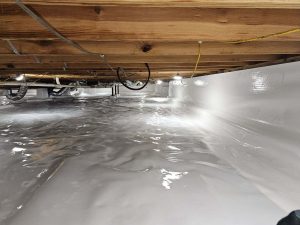 Understanding Crawl Space Humidity
Understanding crawl space humidity is fundamental in maintaining the health of your home. The term refers to the amount of moisture in the air within your crawl space, a crucial factor that can affect your home’s overall health condition.
To combat crawl space moisture effectively, you first need to identify the main sources of humidity. They’re typically external, originating from the surrounding environment. Rainwater or groundwater may seep into your crawl space, especially if the area isn’t properly sealed.
Condensation, another significant source of humidity, can occur when warmer, moist air comes into contact with the cooler surfaces in your crawl space.
A detailed analysis of potential humidity sources is vital in determining the right solution. This involves assessing the crawl space’s existing conditions, such as ventilation, insulation, and any signs of water intrusion or condensation.
The correct interpretation of these factors can guide you towards the most suitable moisture control method, whether it’s installing a vapor barrier, improving ventilation, or using a dehumidifier.
Risks of Ignoring Crawl Space Humidity
If you’re neglecting crawl space humidity, you’re courting significant risks.
High humidity levels can foster mold growth, posing serious health hazards.
Additionally, they can cause structural damage to your home and spike energy costs due to increased demand on heating and cooling systems.
Health Dangers of Humidity
You mightn’t realize it, but ignoring crawl space humidity can lead to serious health risks. One major concern is mold growth. Mold thrives in damp environments and your crawl space is the perfect breeding ground if left unattended.
Mold doesn’t just stay in one place; it releases spores into the air which can then infiltrate your home. Your home’s air quality is directly impacted by these spores. Breathing in mold spores can lead to numerous health issues such as congestion, coughing, eye irritation, and even skin rashes.
People with allergies or asthma could experience exacerbated symptoms. Furthermore, certain types of mold produce mycotoxins which are even more harmful. Prolonged exposure to these toxins can lead to serious health complications including neurological problems and in rare cases, death.
However, it’s not just mold you need to worry about. High humidity also encourages the growth of dust mites, another common allergen.
And let’s not forget about bacteria and viruses; they too thrive in humid conditions and can easily become airborne. Ignoring crawl space humidity isn’t just a matter of dealing with a musty smell or a damp foundation. It’s a ticking time bomb for your health.
Structural Damage Risks
Ignoring crawl space humidity, you’re not just gambling with your health but also risking serious structural damage to your home. Over time, excessive moisture can slowly deteriorate your home’s foundation integrity, leading to expensive repairs.
Water vapor from the crawl space can condense on cooler surfaces such as foundation walls. This constant exposure to moisture can cause the concrete to weaken, eventually leading to cracks or even total failure.
The damage isn’t confined to the foundation either. The wooden elements of your home, like joists and beams, are also at risk. Moisture can cause them to warp, rot, or become infested with termites – critters that thrive in damp conditions.
Moreover, this damp environment is a perfect breeding ground for mold growth. Mold can cause substantial damage to your home’s structural elements, as it feeds on organic materials like wood.
Over time, unchecked mold growth can lead to rot, compromising the structural integrity of your home. Additionally, the presence of mold can lead to decreased property value and potential health issues.
Escalating Energy Costs
As crawl space humidity escalates, so do your energy costs. High moisture levels in your crawl space can drastically reduce your home’s energy efficiency. It forces your heating, ventilation, and air conditioning (HVAC) system to work harder, driving up your energy consumption and, therefore, your bills.
It’s a relentless cycle. The more your HVAC struggles to balance the humidity levels, the more energy it uses, and the higher your costs go.
So, what can you do about it? Proactive cost saving measures are crucial. First, consider crawl space encapsulation. This process involves sealing off the space from outside elements, which reduces the amount of humidity entering your home.
Consequently, your HVAC system doesn’t need to work as hard, preserving energy and saving you money in the long-run.
Secondly, dehumidifiers can be a cost-effective solution to maintain ideal humidity levels. They can run autonomously, keeping moisture levels in check, and reducing the strain on your HVAC system.
Ignoring crawl space humidity isn’t just about potential structural damage; it’s also a hidden drain on your wallet. By investing in preventative measures, you’re not only protecting your home but also your budget.
Identifying Signs of Crawl Space Humidity
Often, homeowners overlook the significant signs of crawl space humidity until the issue escalates into a major problem.
It’s crucial to identify these signs early on to prevent irreparable damage.
Condensation issues are one of the most noticeable signs of crawl space humidity. If you notice dampness on your walls or water droplets on windows, it’s likely that moisture sources are seeping into your crawl space. These sources could be ground water, plumbing leaks, or even humidity from the outside air.
Humidity effects are far-reaching and can severely diminish your home’s air quality. Musty odors are a telltale sign of high humidity levels. These odors stem from mold growth, a common consequence of excessive moisture. Mold not only affects the air you breathe but also attracts pests, creating another set of problems for your home.
Another sign of crawl space humidity is temperature fluctuations in your home. If you’re constantly adjusting your thermostat, it’s worth investigating your crawl space.
This humidity can cause your HVAC system to work overtime, leading to increased energy costs.
Identifying these signs early can help you take proactive measures to protect your home and health.
Essential Tools for Humidity Control
Armed with the right tools, you can take control of your crawl space humidity. Humidity sensors and monitors are vital for detecting and tracking humidity levels. These devices offer real-time data, allowing you to intervene before moisture buildup becomes a problem.
Moisture meters, on the other hand, measure the moisture content in various materials, assisting you in locating damp areas that require attention. Air purifiers help to improve indoor air quality by removing moisture and other pollutants.
Drainage systems and sump pumps play critical roles in preventing water accumulation in your crawl space. These tools direct water away from your home, reducing the chance of moisture seeping into your crawl space.
Vapor barriers and encapsulation systems are designed to prevent moisture from the ground from infiltrating your crawl space. These tools create a moisture-resistant layer that protects your home’s foundation.
Insulation materials help maintain a steady temperature in your crawl space, preventing condensation. Meanwhile, crawl space fans promote circulation, reducing the likelihood of stagnant, moist air.
These tools, when used correctly, ensure that you can efficiently control humidity levels in your crawl space, safeguarding your home from potential moisture-related damage.
Moisture Barrier Installation
Having the right tools to control humidity in your crawl space is just the beginning.
You’ll need to understand the different moisture barrier types and their respective installation techniques to effectively keep your home dry.
There are primarily three types of moisture barriers: polyethylene sheeting, closed-cell spray foam, and rigid foam board.
Polyethylene sheeting is the most cost-effective option, but it can puncture easily. On the other hand, closed-cell spray foam and rigid foam board are more durable, but they’re also more expensive.
When it comes to installation, you’ll start by cleaning your crawl space and leveling the ground as much as possible.
For sheeting, you’ll roll it out across the floor, overlapping the edges by at least 12 inches, and secure it with landscape staples.
If you’re using foam, you’ll cut it to size and attach it to the walls and floor with adhesive.
Insulating Your Crawl Space
Now, let’s move on to insulating your crawl space.
It’s crucial to select the right insulation suited to your specific climate and crawl space conditions.
Once you’ve made your choice, understanding the installation process and learning some key tips can help ensure an effective, long-lasting solution to humidity.
Choosing the Right Insulation
When it comes to insulating your crawl space, your choice of insulation plays a crucial role in controlling humidity levels.
It’s paramount to consider insulation materials, insulation types, and their thermal performance. Your selection must have excellent moisture resistance to prevent dampness from spreading to other parts of your home.
Here are some key factors you should consider when choosing the right insulation:
- Insulation Materials: There’s a variety of materials available, like fiberglass, cellulose, and spray foam. Each offers different levels of energy efficiency and moisture resistance.
- Insulation Types: Batt, loose-fill, or spray foam insulation types are all options. Your choice will impact installation techniques and cost considerations.
- Energy Efficiency: High R-value insulation ensures better thermal performance, reducing your heating and cooling costs.
- Moisture Resistance & Vapor Barriers: Your insulation should effectively resist moisture. Vapor barriers can help prevent condensation, enhancing the overall moisture resistance.
- Additional Benefits: Soundproofing benefits and air sealing are two additional factors that can enhance the livability of your home.
Installation Process & Tips
After determining the right insulation for your crawl space, you’re ready to tackle the installation process. You’ll need specific installation materials, including adhesive, a vapor barrier, and a staple gun for securing the material in place.
Start by thoroughly cleaning the crawl space and remove any debris. This will ensure the adhesive sticks properly.
Next, apply the adhesive to the walls and ceiling of the crawl space. Then, roll out the insulation, making sure it aligns with the edges of the crawl space. Staple it into place every few feet to ensure a snug fit.
Once the insulation is secure, it’s time to apply the vapor barrier. This is a crucial step, as it prevents moisture from seeping into your home. Start at one end of the crawl space and roll the barrier across the floor, cutting it to fit as needed.
Lastly, you need to seal the crawl space. Use a combination of sealing techniques such as caulking, weatherstripping, and the use of door sweeps.
Proper Ventilation Techniques
Proper ventilation is critical in combating crawl space humidity. It requires a keen understanding of airflow management and the strategic placement of ventilation systems.
Developing effective airflow management involves using exhaust fans and crawl space fans. These fans promote air circulation, reducing the chance for moisture build-up.
Passive ventilation is another essential technique. It relies on natural ventilation, using strategically placed vents to allow air to move freely. Vent covers are crucial in this process, as they prevent unwanted elements from entering while allowing air to circulate.
Ventilation systems must be designed with humidity control in mind. Here are some key considerations:
- The number and location of vent openings. Proper vent placement optimizes natural ventilation.
- The use of vent covers to keep out pests while allowing air to flow.
- The integration of crawl space fans for additional air circulation.
- The strategic use of exhaust fans to remove damp air.
- The balance between natural and mechanical ventilation. Too much reliance on either can be counterproductive.
The Role of Dehumidifiers
Dehumidifiers, your crawl space’s moisture combatant, play a pivotal role in controlling humidity levels. They work by extracting excess moisture from the air, reducing the chances of mold and mildew growth, while also making your home’s environment more comfortable and healthier.
There are various dehumidifier types, each with their own strengths and applications. Refrigerant dehumidifiers, for instance, are efficient in warmer, more humid conditions, while desiccant dehumidifiers excel in cooler, less humid environments. Whole house dehumidifiers are another option, ideal for larger properties with persistent humidity issues.
When selecting a dehumidifier, it’s essential to consider its energy efficiency. An energy-efficient model won’t only lower your utility bills but also lessen your environmental impact. Look for the Energy Star label, which signifies that the dehumidifier meets government standards for energy efficiency.
Choosing the right dehumidifier requires understanding your specific needs and the unique characteristics of your crawl space. The size, climate, and existing ventilation of your space will all influence the type and size of the dehumidifier best suited for your home.
Regular Maintenance and Inspection Tips
While the selection of an effective dehumidifier lays the groundwork for controlling humidity in your crawl space, you’ll also need to engage in consistent maintenance and regular inspections to ensure optimal functionality over time.
The crux of this process is the routine checks and seasonal upkeep. You can’t leave your dehumidifier unattended for long periods, as this can lead to inefficiencies or failures.
Here are some steps to follow:
- Inspect for dust build-up: Regular cleaning is essential to prevent blockages and maintain efficiency.
- Check the humidity levels: Make sure your dehumidifier is effectively reducing the moisture levels in your crawl space.
- Look for leaks or water accumulation: This could indicate a malfunction in the dehumidifier or other moisture issues in your crawl space.
- Examine the filter: A clogged or dirty filter will reduce the performance of your dehumidifier.
- Conduct seasonal maintenance: This involves a more thorough check and possibly servicing by a professional during the change of seasons.
Frequently Asked Questions
What Are the Average Costs of Professional Crawl Space Humidity Control Services?
It’s important to consider the cost breakdown when hiring professional crawl space humidity control services.
Prices can vary widely, typically ranging from $1,500 to $15,000. This depends on the severity of the issue and the size of your home.
Always compare services and prices to ensure you’re getting the best value.
Can High Humidity in My Crawl Space Affect My Homes Overall Energy Efficiency?
Yes, high humidity in your crawl space can significantly impact your home’s energy efficiency.
It forces your HVAC system to work harder, increasing energy consumption.
Investing in crawl space ventilation and installing moisture barriers can help control humidity levels.
These measures prevent moisture buildup, reducing the strain on your HVAC system and ultimately improving your home’s energy efficiency.
It’s a smart move to both protect your home and save on energy bills.
Are There Any Specific Health Risks Related to Crawl Space Humidity?
Yes, there are health risks tied to crawl space humidity.
High humidity can promote mold growth, which releases spores into your home’s air. Breathing in these spores can cause allergies, asthma attacks, and other respiratory problems.
It’s crucial you maintain good air quality in your home by controlling crawl space humidity. Keep an eye out for signs of mold and fix any leaks promptly to prevent these health risks.
How Long Does It Normally Take to Reduce Crawl Space Humidity?
Reducing crawl space humidity isn’t an overnight process.
It all depends on your home’s specific conditions. On average, with proper crawl space ventilation and dehumidification, you can expect to see a significant decrease in humidity levels within 1-2 weeks.
However, keep in mind, it’s not a one-time fix. You’ve got to maintain your crawl space to ensure humidity doesn’t creep back in.
Are There Natural Remedies or DIY Solutions for Controlling Crawl Space Humidity?
Yes, you can use natural remedies or DIY solutions to control crawl space humidity.
Improving ventilation techniques is a good start. You might consider installing vents or fans to enhance airflow.
Another option is using dehumidifiers to extract moisture. Make sure to empty the dehumidifier’s reservoir regularly.
Also, using a vapor barrier can prevent ground moisture from seeping up.
In conclusion, tackling crawl space humidity effectively involves understanding its risks and signs, then employing key strategies like installing a moisture barrier, insulating the space, optimizing ventilation, and using dehumidifiers. Regular maintenance and inspection will ensure your efforts remain successful. By taking these steps, you’ll not only prevent dampness from seeping into your home, but also protect its structural integrity and improve indoor air quality, enhancing overall living conditions.

Since we are constantly working on damp crawlspaces and wet basements in the greater Indianapolis area, we are experts in structural floor repairs too. Whether you have sagging, bouncy, or unlevel floors, our solutions can help you.
Plus, we’re not only waterproofers, but we’re experts in structural floor repair. Whether you have foundation cracks, drywall cracks, or sagging floors, our structural repair specialists can help fix the problem. We’ve fixed hundreds of foundations and floor systems in homes and commercial buildings throughout the area.
Fixing your damp basements and crawlspaces before it becomes a big problem is the most affordable and effective option. You’ll avoid extra costly structural repairs and decreased home value. For our trained crawlspace technicians, a typical crawlspace repair usually takes less than a few days to complete. Many of our systems come with a warranty – so that you know the problem was fixed right. Give us a call us at 317-893-7016 to request a professional evaluation from our foundation repair experts.
**Lifetime Transferrable Warranties are for the lifetime of the home or 2 transfers of ownership. The CrawlDrain drainage system warranty guarantees no standing water in the crawl space. The sump pump is a 3 year parts and labor warranty. The CrawlSeal encapsulation system warranty guarantees the seams, sealants, and against rips or tears in the plastic. For more information about the warranties, request a copy of the warranty.