
As a homeowner, it’s essential that you’re aware of the importance of preventing water damage, a problem that can significantly impact the integrity and value of your property. You may think it’s a rare occurrence, but the reality is, water damage results from a wide range of scenarios, from leaky pipes to heavy rainfall. The key to minimizing potential damage lies in early detection and swift action. But wouldn’t you want to avoid this hassle altogether? So, let’s talk about the proactive measures that can save you from water damage headaches. Ready to explore some preventative strategies?
Key Takeaways
- Regular maintenance and inspection of drainage systems help prevent water accumulation.
- Install water alarms, sump pumps, and dehumidifiers as essential preventative equipment.
- Use moisture barriers in high humidity areas to avoid water seepage.
- Regular checks for leaks in roofs, plumbing, and appliances can prevent damage escalation.
- Landscaping should slope away from the house to prevent water pooling near foundations.
 Understanding Water Damage: An Overview
 Understanding Water Damage: An Overview
A staggering 98% of basements in the United States will suffer from some type of water damage during their lifespan. This statistic might seem alarming, and rightfully so as water damage can wreak havoc on your property’s structure and value.
Understanding water damage types and their potential moisture sources is essential to preventing such damage. Water damage types can range from minor condensation issues to catastrophic flooding. Mold growth, wood rot, and the corrosion of metal fixtures are just a few examples of the damage that can result. Each type of damage derives from a specific source of moisture. Groundwater seepage, internal leaks, high humidity, and heavy rainfall can all contribute to the problem.
It’s crucial to understand that water damage isn’t always immediately noticeable. Often, it manifests over time, gradually eroding your property’s integrity. By the time you notice it, the damage might be substantial.
Therefore, being aware of potential moisture sources and regularly checking your property for early signs of water damage is key. Armed with this knowledge, you’re in a better position to protect your home.
Common Causes of Home Water Damage
Surprisingly, a high percentage of home water damage is due to common problems that can be easily prevented.
You might be inadvertently overlooking these issues, which can lead to major water-related disasters.
Let’s delve into the three most common causes of home water damage:
- Flooding Sources: These include overflowing rivers and heavy rainfall, which can lead to basement flooding.
If your home isn’t properly waterproofed or if your drainage systems are inadequately installed, you’re prone to facing this issue.
- Plumbing Failures: This could be an unnoticed leaky pipe behind a wall, a sudden burst pipe, or a failed water heater.
Regular maintenance of your home’s plumbing system can significantly reduce the risk of such failures.
- Appliance Malfunctions: This includes leaky dishwashers or washing machines.
Over time, these appliances can deteriorate, with hoses becoming loose or breaking, leading to significant water damage.
Early Signs of Water-Related Problems
While you may not always be able to predict when a water-related issue will occur, recognizing the early signs can give you a crucial head start in addressing the problem. The first sign of water-related problems often comes from your senses. If you smell a musty odor or see discoloration on walls, ceilings, or floors, you’re likely dealing with hidden water damage.
Leaky roofs are another common source of water problems. Evidence of a leaky roof may include water spots on your ceiling or walls, or shingles that are cracked, worn, or missing. Regularly inspect your roof, especially after heavy rains or storms, to catch these issues early.
Plumbing issues can also lead to water damage. An unusually high water bill, discolored water, or reduced water pressure are red flags that your plumbing system may be compromised. Listen for strange noises, like constant dripping or rushing water, when your home is quiet.
Lastly, look out for unexplained humidity or condensation inside your home. This could indicate a hidden leak or poor ventilation, both of which can lead to water damage if not addressed promptly.
Essential Equipment for Water Damage Prevention
Recognizing the early signs of water-related problems can give homeowners a significant advantage. However, to fully fortify your home against the risk of water damage, you’ll need to equip yourself with some essential tools.
- Water alarms: These devices can detect the presence of water in areas where it shouldn’t be. Install them near potential water sources like washing machines, dishwashers, and water heaters.
They’ll alert you with an audible alarm if they detect any moisture, giving you a chance to address the issue before it escalates.
- Sump pumps: If your home has a basement, a sump pump is an absolute must. It removes water that has accumulated in the sump basin and sends it away from your house, preventing flooding.
Regular maintenance ensures it’s always ready to spring into action.
- Dehumidifiers: These are great for controlling moisture levels in your home, especially in damp areas like basements or bathrooms.
Proactive Water Damage Prevention Strategies
You can take several proactive measures to prevent water damage in your home. One of the most effective strategies is to ensure that your drainage systems are functioning properly. This involves regular maintenance and inspections. If your gutters are clogged or your downspouts are directing water towards your foundation, you’re inviting trouble. So, keep them clean and make sure they’re diverting water away from your home.
Moisture barriers are another essential part of your defensive strategy. They’re particularly useful in areas prone to high humidity or where water tends to accumulate, like basements and crawl spaces. They work by keeping moisture from seeping into your home’s structure, preventing both water damage and mold growth.
Regularly check your home for leaks. A small drip can quickly escalate into a significant problem if it’s not addressed promptly. Inspect your roof, plumbing system, and appliances that use water. If you see any signs of leakage, consider it a red alert.
Lastly, don’t forget about landscaping. Grading your yard away from your house can prevent water from pooling around your foundation. It’s a simple measure that can have a substantial impact.
These proactive steps can save you a lot of time, money, and stress in the long run.
Managing Water Damage: Immediate Response Measures
Despite your best efforts to prevent it, water damage can still occur. When it does, your immediate response can significantly reduce the potential impact and costs of restoration. Here, we’ll discuss your emergency response options and proven restoration techniques.
- Act Quickly: The first step in managing water damage is to act immediately. Don’t wait for the problem to worsen. Contact a professional water damage restoration company as soon as you notice signs of water damage.
- Stop the Water Source: If possible, identify and stop the source of the water. This could be as simple as turning off the main water supply.
- Document the Damage: Take photos or videos of the affected area. This will be helpful when dealing with your insurance company.
These measures should be taken as part of your emergency response to water damage.
Frequently Asked Questions
What Insurance Coverage Is Available for Water Damage in Homes?
As a homeowner, you’ll find that insurance coverage for water damage varies.
Standard homeowner’s insurance typically doesn’t cover flood damage, so you’ll need separate flood insurance for that.
Mold coverage is often not included either, unless the mold results from a covered peril.
It’s crucial to thoroughly review your policy or consult with your insurance agent to understand what’s covered and what isn’t.
How Often Should a Professional Inspect My Home for Potential Water Damage?
You should have a professional inspect your home for potential water damage annually.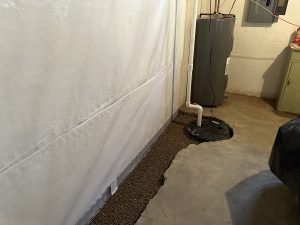
Regular inspections allow for early water detection and moisture monitoring, which is key in preventing extensive damage.
They’ll spot minor issues before they escalate, saving you stress and costly repairs.
It’s a small investment in your home’s health that’ll pay off in the long run.
What Are the Health Risks Associated With Untreated Water Damage?
Untreated water damage in your home can lead to serious health risks.
It’s not just about the structural integrity of your property. Over time, dampness promotes mold growth, which can cause respiratory issues like asthma and allergies, especially in children and the elderly.
Additionally, certain molds produce mycotoxins that can lead to neurological problems.
How Can Landscaping Contribute to or Help Prevent Water Damage?
Proper landscaping can help prevent water damage. By installing effective drainage systems, you’re directing water away from your home.
Additionally, correct soil grading is vital; it should slope away from your home to prevent pooling. However, poor landscaping can contribute to water damage if these aspects aren’t handled properly.
You’re not just creating a pleasant exterior, you’re protecting your property. Don’t overlook these key components of your landscaping plan.
Can I Claim Tax Deductions for Home Repairs Due to Water Damage?
Unfortunately, you can’t claim tax deductions for home repairs due to water damage.
The IRS generally doesn’t allow homeowners to deduct the cost of repairs on their taxes. However, if the damage is due to a qualified disaster, you may be able to claim a casualty loss deduction.
It’s always best to consult with a tax professional to understand your options and ensure you’re getting the most from your tax return.
You’re equipped to prevent water damage now. Regular maintenance, early detection, and prevention strategies are your best defense. Utilize equipment like water alarms, sump pumps, and dehumidifiers for damp areas. Remember, proper landscaping is crucial too. Don’t wait for damage to happen – be proactive. By taking these steps, you’ll save time, money, and avoid stress. Protect your home and investment – it’s worth every bit of your effort.

Since we are constantly working on damp crawlspaces and wet basements in the greater Indianapolis area, we are experts in structural floor repairs too. Whether you have sagging, bouncy, or unlevel floors, our solutions can help you.
Plus, we’re not only waterproofers, but we’re experts in structural floor repair. Whether you have foundation cracks, drywall cracks, or sagging floors, our structural repair specialists can help fix the problem. We’ve fixed hundreds of foundations and floor systems in homes and commercial buildings throughout the area.
Fixing your damp basements and crawlspaces before it becomes a big problem is the most affordable and effective option. You’ll avoid extra costly structural repairs and decreased home value. For our trained crawlspace technicians, a typical crawlspace repair usually takes less than a few days to complete. Many of our systems come with a warranty – so that you know the problem was fixed right. Give us a call us at 317-893-7016 to request a professional evaluation from our foundation repair experts.
**Lifetime Transferrable Warranties are for the lifetime of the home or 2 transfers of ownership. The CrawlDrain drainage system warranty guarantees no standing water in the crawl space. The sump pump is a 3 year parts and labor warranty. The CrawlSeal encapsulation system warranty guarantees the seams, sealants, and against rips or tears in the plastic. For more information about the warranties, request a copy of the warranty.