
You’ve invested in a waterproofing system, confident in its ability to protect your property from water damage. But have you ever wondered how long it’s going to serve you before it needs renewing? The lifespan of these systems varies, largely dependent on the quality of installation and materials used. You must stay vigilant for signs of wear and tear, such as cracks or mold, which indicate a need for renewal. Want to prevent costly damage and repairs? Let’s explore how to spot the early warning signs and when exactly is the right time to renew your system.
Key Takeaways
- Waterproofing systems typically last between 10 to 20 years, influenced by installation quality and maintenance.
- Signs of system wear include visible membrane damage, water stains, and mold growth.
- Regular inspections help detect early deterioration, preventing costly repairs.
- Renewing a system involves assessing damage, preparing the area, applying waterproofing product, and conducting post-renewal checks.
- Choosing a replacement system requires considering property needs, long-term costs, and professional advice for optimal longevity.
Understanding Waterproofing System Lifespan
 While you may think that once a waterproofing system is installed it lasts forever, this isn’t the case. Much like everything else in your home, it has a lifespan. No matter how well you maintain it, time will always catch up. It’s important to understand that a waterproofing system isn’t a one-and-done deal.
Generally, a well-installed waterproofing system can last from 10 to 15 years. Some may even stretch up to 20 years, but that’s more the exception than the rule. Remember, the longevity of your system depends hugely on the quality of the initial installation. A poorly installed system won’t hold up nearly as long.
Now, you might wonder, “How do I know when it’s time to renew my system?” That’s where professional inspections come in. Regular checks by a professional can help detect early signs of wear and tear.
They’ll let you know when your system is nearing its end and when it’s time to contemplate a renewal. Ignoring these signs could lead to serious damage in the long run. So, understanding the lifespan of your waterproofing system can save you a lot of trouble down the line.
Factors Influencing System Longevity
Knowing the expected lifespan of your waterproofing system definitely helps in planning for its renewal. However, it’s important to understand that several factors can influence its longevity. Let’s explore those.
Firstly, the quality of materials used in your system plays a big role. High-quality materials are likely to last longer, so don’t skimp on this.
In addition, the installation process is vital. If it’s poorly done, your system won’t last as long as it should. As a result, always make sure professionals install your system.
Furthermore, the type of system you choose will greatly impact its lifespan. There are many types of waterproofing systems, each with its own lifespan. Do your research before choosing one.
Lastly, environmental factors such as climate and exposure to elements can also shorten your system’s lifespan. For instance, systems in areas with heavy rainfall or extreme temperatures mightn’t last as long.
In short, while it’s good to know your system’s expected lifespan, it’s equally important to take these factors into account. They’ll help you make informed decisions about when to renew your system.
Recognizing Signs of Deterioration
Time can be a merciless critic to your waterproofing system. As the years roll on, signs of deterioration may begin to appear. It’s essential that you’re able to recognize these telltale signs before the problem becomes too big—or too costly—to manage.
Firstly, you’ve got to keep an eye out for visible damage. This could be cracking, blistering, or peeling on the surface of the waterproofing membrane. These are signs that the material is starting to break down and won’t be able to resist water as effectively.
Next, check for water damage inside your property. Are there wet spots on your walls or ceilings? Is there a musty smell in certain rooms? These could be indications that your waterproofing system isn’t doing its job.
Lastly, be aware of mold growth. Not only is it a health hazard, but it’s also a clear sign that moisture is getting in where it shouldn’t be. Mold thrives in damp environments, so its presence can suggest your waterproofing system is failing.
Steps to Renew Your System
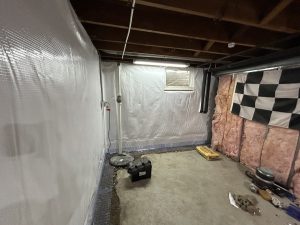 If you’ve spotted signs of deterioration in your waterproofing system, don’t panic. It’s normal for these systems to wear over time, and renewing them is a manageable process.
Let’s walk through the necessary steps.
Firstly, assess the damage. Knowing the extent of wear helps you figure out what needs fixing. You might be dealing with minor cracks or a large-scale issue. If it’s severe, it’s wise to call in a professional.
Next, prep your area. Remove any furniture or other items near the damage. You’ll also want to clean the area thoroughly, removing any dust or debris. This guarantees you’ll have a clean slate to work with.
After that, it’s time to apply your waterproofing product. Follow the manufacturer’s instructions to the letter. Don’t skimp on this step. Applying it correctly can mean the difference between a successful repair and a failed one.
Last but not least, give it time to cure. This could take anywhere from a few hours to a few days, depending on the product.
Once it’s dry, check to make sure it’s holding up. If all’s good, you’ve successfully renewed your system.
Choosing the Right Replacement System
Unquestionably, picking the right replacement for your waterproofing system is vital. Your choice impacts not just the longevity of your property’s protection, but also your budget and peace of mind.
So, where do you start?
First, you’ve got to evaluate your specific needs. Is your property mainly exposed to heavy rain or constant humidity? Do you need a solution that can withstand high foot traffic, or is your main concern preventing mold and mildew? Your circumstances dictate which type of waterproofing system you need.
Next, it’s important to weigh up the costs. Don’t just look at the initial outlay. Instead, assess the long-term costs, including maintenance, potential repairs, and the lifespan of the system.
It’s often worth investing more upfront for a system that’ll last longer and require less upkeep.
Lastly, don’t underestimate the significance of professional advice. A waterproofing expert can provide valuable insights into the best systems for your situation.
They’ll help you navigate the various options, ensuring you make an informed decision that’ll stand the test of time.
Your waterproofing system’s lifespan rests on material quality and professional installation, typically lasting 10-20 years. Regular checks for signs of wear, like cracks or mold, are essential. If you spot these issues, it’s time to renew your system. Choosing the right replacement can guarantee longevity and save you from hefty repair costs down the road. Remember, a well-maintained waterproofing system isn’t just a good investment—it’s a safeguard for your property.

Since we are constantly working on damp crawlspaces and wet basements in the greater Indianapolis area, we are experts in structural floor repairs too. Whether you have sagging, bouncy, or unlevel floors, our solutions can help you.
Plus, we’re not only waterproofers, but we’re experts in structural floor repair. Whether you have foundation cracks, drywall cracks, or sagging floors, our structural repair specialists can help fix the problem. We’ve fixed hundreds of foundations and floor systems in homes and commercial buildings throughout the area.
Fixing your damp basements and crawlspaces before it becomes a big problem is the most affordable and effective option. You’ll avoid extra costly structural repairs and decreased home value. For our trained crawlspace technicians, a typical crawlspace repair usually takes less than a few days to complete. Many of our systems come with a warranty – so that you know the problem was fixed right. Give us a call us at 317-893-7016 to request a professional evaluation from our foundation repair experts.
**Lifetime Transferrable Warranties are for the lifetime of the home or 2 transfers of ownership. The CrawlDrain drainage system warranty guarantees no standing water in the crawl space. The sump pump is a 3 year parts and labor warranty. The CrawlSeal encapsulation system warranty guarantees the seams, sealants, and against rips or tears in the plastic. For more information about the warranties, request a copy of the warranty.