
You’ve probably never given much thought to the crawl space beneath your home, have you? Yet, it’s a space that can be a surprising source of damage if not properly managed. Consider the effects of crawl space condensation – a hidden menace that can lead to severe issues like mold growth, wood rot, and even pest infestations. If left unchecked, this moisture build-up can escalate repair costs and compromise your home’s air quality. Does this make you wonder about the state of your own crawl space? Stay tuned to learn more about the potential risks and how to mitigate them.
Key Takeaways
- Crawl space condensation can lead to structural damage, mold growth, and pest infestations due to increased humidity and moisture.
- Temperature fluctuations can cause condensation, leading to persistent dampness, resulting in mold, mildew, and structural rot.
- Early signs of condensation include mold or mildew presence, damp insulation, rust on metal surfaces, and soft or rotting wood.
- Remedies include using dehumidifiers, installing vapor barriers, enhancing ventilation, and conducting regular inspections to prevent extensive damage.
- Regular crawl space maintenance can improve air quality, enhance energy efficiency, increase property value, and prevent health risks.
Understanding Crawl Space Condensation
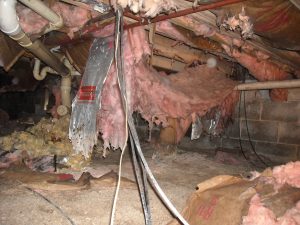 You mightn’t give it much thought, but crawl space condensation can be a significant issue in homes.
It’s not just a minor annoyance; it can lead to serious problems if it isn’t addressed. It’s like that small leak in the roof that you’ve been ignoring. You know it’s there, but you’re hoping it’ll just go away. Unfortunately, it won’t.
Crawl space condensation is exactly what it sounds like. It’s moisture that gathers in the crawl space of your home. It’s often unseen because, let’s face it, how often do you really explore the crawl space? But just because it’s out of sight doesn’t mean it should be out of mind.
Unchecked, this condensation can cause a variety of issues. It can lead to mold growth, which can affect the air quality inside your home.
It can also cause wood rot, which can compromise the structural integrity of your home. Additionally, it can attract pests like termites and carpenter ants that are drawn to damp environments.
The Causes of Crawl Space Condensation
Let’s explore the causes of crawl space condensation.
You’ll learn the role of crawl space humidity, how temperature fluctuations impact condensation, and the connection between plumbing leaks and increased moisture.
Understanding these factors can help you prevent and address this common issue effectively.
Understanding Crawl Space Humidity
In the domain of home maintenance, understanding crawl space humidity is essential. It’s more than just a number; it’s a key indicator of your home’s health and safety. High humidity levels in your crawl space can lead to condensation, fostering mold growth, wood rot, and structural instability.
So what causes crawl space humidity? More often than not, it’s the result of moisture in the soil beneath your home. As the soil dries, it releases water vapor, which increases the humidity in the enclosed crawl space.
Outdoor humidity also plays a role. When warm, humid air enters your cool crawl space, it can condense on surfaces and lead to moisture buildup.
Poor ventilation can exacerbate the problem. Without proper airflow, the moisture-laden air becomes trapped, increasing humidity and the risk of condensation. Plumbing leaks may contribute too, adding extra moisture into the space.
Lastly, remember that your house isn’t a separate entity from its environment. It interacts with the soil, air, and weather around it.
Impact of Temperature Fluctuations
Temperature fluctuations play a significant role in your crawl space’s condensation problem. As temperatures change, so does the moisture-holding capacity of the air. Warm air holds more humidity, and when it cools down, it can’t hold as much. This excess moisture then condenses on cooler surfaces in your crawl space, such as pipes, walls, and floors.
In the summer, the cool air in your crawl space can cause the warmer, humid outside air to condense when it enters. Similarly, in the winter, your home’s warm air can condense when it contacts the colder crawl space surfaces.
This constant cycle of warming and cooling, condensing and evaporating, can lead to persistent dampness.
This dampness isn’t benign—it’s a breeding ground for mold, mildew, and other damaging fungi. It can also lead to rot, compromising the structural integrity of your home.
In addition, excess moisture can attract pests, creating a whole new host of problems.
Plumbing Leaks and Condensation
Without a doubt, plumbing leaks can greatly contribute to the condensation issues in your crawl space. You might not realize it, but even a tiny leak can considerably raise humidity levels, creating a perfect environment for condensation. Over time, this can lead to serious home damage, including structural issues and mold growth.
Understanding the common causes can help you take preventive measures. Here’s a quick table to illustrate:
| Causes | Impact | Prevention |
|---|---|---|
| Pipe leaks | Increased humidity, leading to condensation | Regular inspections and maintenance |
| Drainage issues | Water accumulation, promoting condensation | Proper drainage system design and upkeep |
| Faulty seals | Water seepage, causing high humidity | Quality seals and regular checks |
| High water pressure | Prone to leaks, contributing to condensation | Regulating water pressure |
| Temperature fluctuations | Condensation on pipes | Proper insulation |
Signs of Condensation in Your Crawl Space
You need to know what to look for when it comes to identifying moisture indicators in your crawl space.
Understanding the effects of condensation is essential too.
Let’s explore these signs and effects to help you keep your home safe and free from potential damage.
Identifying Moisture Indicators
In the dark corners of your crawl space, subtle signs may be revealing an unwanted guest – condensation.
It’s time you familiarize yourself with the indicators to prevent potential home damage.
Being proactive in spotting these signs is key.
Let’s look at some moisture indicators you should be aware of:
- Mold or Mildew If you’re seeing or smelling mold, it’s a clear sign there’s too much moisture in your crawl space. Mold thrives in damp environments, so its presence is a strong moisture indicator.
- Damp Insulation: Insulation soaks up moisture like a sponge. If you’ve noticed your insulation is damp, it’s highly likely you’re dealing with condensation.
- Rusty Metal Surfaces: Condensation causes rust on metal surfaces. If you’re finding rust on any metal objects in your crawl space, you’ve got a moisture problem.
- Soft or Rotting Wood: Wood absorbs water, leading to rot. If you find soft or rotting wood in your crawl space, it’s a sure sign of excessive moisture.
Understanding Condensation Effects
Having recognized the telltale signs of condensation in your crawl space, let’s explore how this unwanted moisture impacts your home. First off, you should be aware that unchecked condensation can be a silent destroyer of your home’s structural integrity. Over time, excessive moisture can cause wood rot, compromising the foundation and framing of your house.
But that’s not all. A damp crawl space is the perfect breeding ground for mold and mildew. These fungi not only cause unpleasant odors but can also pose significant health risks to you and your family. Finally, pests like termites and rodents are attracted to damp areas, so condensation may invite these unwelcome guests into your home.
| Impact | Explanation | Prevention |
|---|---|---|
| Structural Damage | Moisture rots wood, weakening your home’s foundation. | Regularly check for leaks and repair promptly. |
| Mold and Mildew | Health risks and unpleasant odors arise from fungal growth. | Confirm proper ventilation and use a dehumidifier if needed. |
| Pest Infestation | Termites and rodents are attracted to damp areas. | Keep the crawl space dry and consider pest control services. |
Don’t underestimate the effects of condensation. Be proactive in managing moisture in your crawl space to prevent these issues.
Potential Damage From Crawl space Condensation
 Unchecked condensation in your crawl space can lead to serious damage. It’s a hidden menace that often goes unnoticed until it’s too late.
The damp environment created by this moisture is an ideal breeding ground for mold and mildew. These fungi can wreak havoc on your home’s structural integrity, while also posing serious health risks to you and your loved ones.
Moreover, the excessive moisture can lead to wood rot, which directly affects the structural stability of your home. The supports and beams in your crawl space can become compromised, posing a risk of costly repairs or even catastrophic failure.
Another potential consequence of unchecked condensation is an increase in pests. Many insects and rodents are attracted to damp, dark environments. Your crawl space could become a nesting ground for these unwelcome guests, leading to further damage and potential health concerns.
Here are some key areas of damage from crawl space condensation:
- Mold and mildew growth
- Wood rot and structural damage
- Pest infestations
- Increased utility bills due to loss of heating or cooling efficiency.
Don’t underestimate the potential damage from crawl space condensation. It’s a threat that deserves your full attention.
Remedies for Crawl space Condensation
Are you wondering how to tackle the menace of crawl space condensation? It’s a common concern, and you’re not alone. Thankfully, there are effective remedies to help you combat this problem.
Firstly, you can use a dehumidifier. This device works by extracting moisture from the air, keeping your crawl space dry. It’s an efficient and reliable method that’s worth considering.
Secondly, consider crawl space encapsulation. This involves the installation of a vapor barrier to limit the amount of moisture entering your crawl space. It’s a more all-encompassing solution that can effectively control condensation.
Thirdly, you can opt for a crawl space fan. These fans improve ventilation, helping to reduce humidity levels and making the environment less conducive for condensation.
Lastly, it’s essential to regularly inspect your crawl space. Look for signs of moisture and wet surfaces. Dealing with the problem early can prevent more significant damage down the line.
Preventative Measures Against Condensation
To prevent condensation in your crawl space from becoming a recurring issue, there are several proactive steps you can take.
These measures not only reduce the likelihood of condensation but also safeguard your home from potential water damage.
Here’s what you can do:
- Properly insulate your crawl space: This reduces the temperature difference between the crawl space and the outside, which in turn prevents condensation.
- Install a vapor barrier: This plastic or foil sheet will block moisture from coming in contact with the surfaces in your crawl space.
- Ensure good ventilation: Air circulation is key. You can achieve this by installing vents or fans in the crawl space.
- Use a dehumidifier: Especially during humid months, a dehumidifier can help keep moisture levels in check.
Don’t let crawl space condensation sneak up on you. It’s a hidden yet harmful source of home damage that can lead to costly repairs and health hazards. By understanding the causes, recognizing the signs, and applying effective remedies, you can prevent major damage. Always remember, regular inspections and preventive measures are your best tools in maintaining a durable and healthy home. So, stay proactive in managing moisture, and keep your home safe and sound.

Since we are constantly working on damp crawlspaces and wet basements in the greater Indianapolis area, we are experts in structural floor repairs too. Whether you have sagging, bouncy, or unlevel floors, our solutions can help you.
Plus, we’re not only waterproofers, but we’re experts in structural floor repair. Whether you have foundation cracks, drywall cracks, or sagging floors, our structural repair specialists can help fix the problem. We’ve fixed hundreds of foundations and floor systems in homes and commercial buildings throughout the area.
Fixing your damp basements and crawlspaces before it becomes a big problem is the most affordable and effective option. You’ll avoid extra costly structural repairs and decreased home value. For our trained crawlspace technicians, a typical crawlspace repair usually takes less than a few days to complete. Many of our systems come with a warranty – so that you know the problem was fixed right. Give us a call us at 317-893-7016 to request a professional evaluation from our foundation repair experts.
**Lifetime Transferrable Warranties are for the lifetime of the home or 2 transfers of ownership. The CrawlDrain drainage system warranty guarantees no standing water in the crawl space. The sump pump is a 3 year parts and labor warranty. The CrawlSeal encapsulation system warranty guarantees the seams, sealants, and against rips or tears in the plastic. For more information about the warranties, request a copy of the warranty.