
Have you ever considered the benefits of crawl space encapsulation with drainage? It’s a system that’s designed to combat the moisture that threatens your home’s health and energy efficiency. By sealing off your crawl space and directing water away from the foundation, you’re not only warding off potential structural damage and mold growth but also enhancing the quality of your indoor air and reducing energy costs. But what does the process involve, and how can it add long-term value to your property? Let’s explore further.
Key Takeaways
- A complete crawl space encapsulation system includes a moisture barrier, sealed vents, insulation, and a dehumidifier.
- Proper drainage, facilitated by a perimeter drain and a sump pump, prevents moisture buildup and mold growth.
- Encapsulation improves indoor air quality, reduces energy costs, deters pests, and raises home value.
- Costs range from $5,000 to $15,000, with material selection focusing on durability, water resistance, and insulation value.
- Regular maintenance, including annual inspections and monitoring of humidity levels, ensures the longevity of the encapsulation system.
Understanding Crawl Space Encapsulation
Crawl space encapsulation is a process you need to grasp before starting this home improvement project. This method involves sealing your crawl space from the outside environment, which can greatly improve your home’s energy efficiency and indoor air quality.
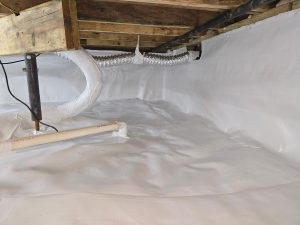
So, how’s it done? First, you’ll need a high-quality vapor barrier. It’s a plastic or foil material that you’ll install across the crawlspace floor and up the walls to a certain height. This barrier prevents moisture from the ground from entering your home.
Next up is sealing all vents and openings that lead to the crawl space. You’re creating a barrier to block outdoor air, pests, and moisture from getting in.
But what about existing moisture or water in the crawl space? That’s where a dehumidifier comes in. It helps maintain a healthy level of humidity, protecting your home from mold and structural damage.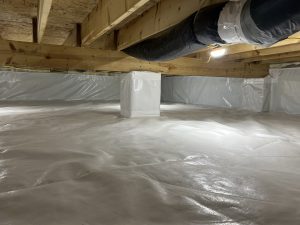
Lastly, you’ll insulate the walls of the crawl space. This step is essential to prevent heat loss and guarantee energy efficiency.
Importance of Proper Drainage
You may wonder why proper drainage is essential in crawl space encapsulation.
It’s not just about directing water away, but also about preventing moisture buildup, which can lead to long-term damage.
Understanding Drainage Essentials
Water, the ever-persistent invader, can wreak havoc in your crawl space if left unchecked. That’s why understanding the essentials of proper drainage is vital. The key here is to guarantee water doesn’t pool or stagnate but is instead directed away efficiently.
Consider your crawl space like the bottom of a boat. Any water that gets in needs a way out, otherwise, it’ll sink – or in your case, result in a damaged, moldy crawl space. This is where drainage comes into play. It’s your safety valve, your insurance against water-related issues.
Preventing Moisture Buildup
Before diving into the specifics of drainage solutions, it’s crucial to grasp why preventing moisture buildup is so important. Without proper drainage, your crawl space can become a breeding ground for mold, mildew, and other harmful fungi that thrive in damp conditions. These organisms not only damage your home’s structure but can also lead to serious health issues.
Now, consider these critical points:
- Humidity control: Excessive moisture increases the humidity level in your crawl space. This damp environment attracts pests and creates perfect conditions for wood rot and mold growth. By preventing moisture buildup, you’re fundamentally controlling the humidity level in your crawl space, making it less inviting to pests and fungi.
- Structural integrity: Moisture can cause wooden beams and joists to warp and rot, jeopardizing the structural integrity of your home. Good drainage stops this from happening.
- Health risks: Mold and mildew can cause respiratory problems, allergic reactions, and other health issues. By managing moisture, you’re protecting your family’s health.
Components of an Encapsulation System
Three primary components make up an encapsulation system: a vapor barrier, a dehumidifier, and a drainage system.
The vapor barrier is your first line of defense. It’s a thick, durable plastic sheet that you’ll install across the floor and walls of your crawl space. Its job is to keep out moisture from the soil, preventing it from entering your home.
Next, you’ll need a dehumidifier. Even with a vapor barrier, some moisture might still make its way into your crawl space. That’s where your dehumidifier comes in. It’ll reduce the humidity levels, keeping your crawl space dry and preventing mold growth.
Finally, there’s the drainage system. It’s designed to divert any water that might accumulate despite the vapor barrier and dehumidifier. This water could come from plumbing leaks or heavy rain, but whatever the source, you’ll want to get it out as quickly as possible.
| Component | Purpose | How It Works |
|---|---|---|
| Vapor Barrier | Prevents moisture from soil | Covers floor and walls |
| Dehumidifier | Reduces humidity | Removes excess moisture |
| Drainage System | Diverts water | Channels water away |
The Encapsulation Process Explained
You’re about to get a clear understanding of the encapsulation process.
It’s essential to know the importance of proper drainage and how to choose the right encapsulation materials.
Let’s break down these components to guarantee your crawl space encapsulation is done correctly.
Understanding Encapsulation Basics
Almost every homeowner will agree that encapsulation is an important step in maintaining a healthy and safe crawl space.
But what exactly is encapsulation? It’s a process that seals off your crawl space from external elements.
Now, let’s break down the basic steps:
- First, a high-quality vapor barrier is laid across the floor and up the walls of the crawl space, creating a continuous seal. This layer is vital to limit moisture intrusion from the ground.
- Second, all vents and openings leading to the outside are sealed off to prevent the entry of outside air.
- Finally, a dehumidifier is installed to control the humidity level and provide conditioned air.
This process guarantees that your crawl space is fully sealed, providing a barrier against moisture, pests, and other potential threats.
It can also help improve the air quality in your home and potentially save on energy costs.
So encapsulation isn’t just a fancy term—it’s a thorough solution to a range of crawl space issues.
But remember, it’s important to have a proper drainage system in place as well, which we’ll discuss next.
Importance of Proper Drainage
While encapsulation does a great job of sealing off your crawl space, it’s not the whole story. You also need to guarantee proper drainage. Why? Well, without correct drainage, the encapsulation system could fail, leading to potential moisture issues. Think of it, you wouldn’t want water pooling beneath your house, would you?
Water accumulation can lead to a host of problems. Wood rot, mold growth, and pest infestations are just a few examples. These problems don’t just damage your property but can also pose health risks. By guaranteeing proper drainage, you’re not only protecting your crawl space but your home and family as well.
So, how do you guarantee proper drainage? It’s about planning and installation. You’ll need a system that guides water away from your home. This might involve installing a sump pump, a French drain, or even simple grading of your yard.
Remember, water should always flow away from your home, not towards it.
Proper drainage is crucial to the success of your crawl space encapsulation. It’s not just about sealing off the space, but also about managing water effectively. Ignore this, and you risk jeopardizing the integrity of your encapsulation system.
Choosing Encapsulation Materials
After ensuring a solid drainage system, the next step in your crawl space encapsulation process is selecting the right materials.
The materials play a critical role in ensuring that moisture doesn’t invade your crawl space, potentially causing structural damage or health hazards.
When choosing encapsulation materials, you should consider three main factors:
- Durability: Your encapsulation materials should be long-lasting. Go for high-quality, tear-resistant materials that can withstand the test of time and conditions in the crawl space.
- Water Resistance: The primary reason for encapsulating your crawl space is to keep it dry. Consequently, the materials you choose should be highly resistant to water and moisture.
- Insulation Value: To improve energy efficiency, opt for materials with good insulation value.
Don’t rush the selection process. Take your time, do your research, and if necessary, consult a professional for advice.
Benefits of Crawl Space Encapsulation
Encapsulating your crawl space brings a boatload of benefits to your home. One of the most significant advantages is improved air quality. Without encapsulation, your crawl space can become a breeding ground for mold and mildew, which can seep into your home’s air. By encapsulating, you’re fundamentally ‘locking out’ these harmful allergens, improving the air you breathe.
You’ll also notice a decrease in energy costs. An encapsulated crawl space acts as an insulator, keeping your home warmer in the winter and cooler in the summer. This helps your HVAC system work less, saving you a pretty penny on energy bills.
An encapsulated crawl space also deters pests. Insects and rodents love damp, dark spaces. Encapsulation removes their preferred environment, keeping your home pest-free.
Lastly, encapsulation increases your home’s value. A clean, dry crawl space is a big selling point for potential buyers. It shows that you’ve taken steps to protect your home, giving buyers peace of mind.
Drainage System: A Closer Look
Diving right into the heart of the matter, let’s take a closer look at the drainage system in an encapsulated crawl space. This system is essential to the functionality and longevity of your encapsulation.
It’s designed to effectively move water away from your home’s foundation, preventing potential water damage and maintaining the overall health of your crawl space.
A few vital elements make up this system:
- Perimeter Drain: This is a trench dug around your crawl space’s inside perimeter. It’s filled with gravel and a drain pipe, and it’s responsible for collecting water that enters the crawl space, directing it away from the foundation.
- Sump Pump: This mechanical device is installed in the lowest point of your crawl space. It pumps out the water collected by the perimeter drain, discharging it safely away from your home.
- Moisture Barrier: Finally, this is a waterproof layer installed on the crawl space floor, preventing ground moisture from permeating your crawl space.
Understanding these components will aid you in maintaining your crawl space encapsulation system effectively.
Cost Analysis of Encapsulation
Now that you’ve gained a deeper understanding of the drainage system and its role in crawl space encapsulation, let’s shift our focus to another important aspect – the cost.
While the price varies based on factors such as the size of your crawl space and the complexity of the project, you should anticipate spending between $5,000 and $15,000 for a full encapsulation job.
You might think, “That’s quite expensive!” But let’s break it down. The bulk of the cost goes into materials, such as the vapor barrier and drainage system. Quality materials aren’t cheap, but they’re essential for a successful encapsulation.
Labor is another major expense. This is an intensive job that requires expertise and time.
Don’t forget to factor in the long-term savings. A properly encapsulated crawl space reduces energy costs, prevents costly water damage, and improves indoor air quality.
While the upfront cost may seem steep, the benefits and savings over time make it a good investment. Remember, it’s not just about cost—it’s about value.
In the next section, we’ll discuss how to choose the right professionals for the job.
Choosing the Right Professionals
Finding the right professionals to encapsulate your crawl space is an important decision. It’s not just about picking the cheapest service or the one closest to you. Instead, it’s about selecting a team that understands your home’s specific needs and has the experience and knowledge to do the job right.
There are several factors you should consider when choosing a professional team:
- Experience: Look for a company that has been in the business for a while and has a track record of successful projects.
- Certification: Make sure the professionals you’re considering are certified in crawl space encapsulation. This guarantees they’re up-to-date on the latest methods and technologies.

- Reviews and Testimonials: Check out online reviews and ask for testimonials. What do past clients say about their work?
Don’t be afraid to ask questions, either. The right professionals will be happy to answer them and put your mind at ease.
Maintaining Your Encapsulated Crawl Space
Once your crawl space is properly encapsulated, the focus shifts to maintenance. You’ve made a significant investment in your home’s health and safety, and it’s important to keep it in top shape.
Regular inspections are key. You should check for any signs of moisture buildup or damage at least once a year, preferably during a dry period.
Look for any signs of tears or holes in the vapor barrier. These could be letting moisture seep in. If you find any, they’ll need to be repaired promptly. Use a moisture meter to check the humidity levels. If it’s consistently above 60%, you may need a dehumidifier to keep things dry.
You’ll also want to keep an eye on your sump pump, if you have one. Make sure it’s working properly and not clogged with debris.
It’s not just about the inside, though. Check the exterior of your home for any issues that could be affecting your crawl space. This includes looking for any signs of pests, checking gutters and downspouts for blockages, and making sure the ground slopes away from your home to prevent water pooling.
Maintaining your encapsulated crawl space may seem like a lot of work, but it’s well worth it for the peace of mind it brings.
So, you’ve now learned about crawl space encapsulation with drainage. It’s not just about protecting your home’s structure—it’s also about promoting healthy indoor air and energy efficiency. Yes, there’s a cost, but think of it as a valuable investment in your home’s long-term health. Remember, choosing the right professionals and regular maintenance are key. You’re now equipped to make an informed decision about crawl space encapsulation. Your home will thank you!

Since we are constantly working on damp crawlspaces and wet basements in the greater Indianapolis area, we are experts in structural floor repairs too. Whether you have sagging, bouncy, or unlevel floors, our solutions can help you.
Plus, we’re not only waterproofers, but we’re experts in structural floor repair. Whether you have foundation cracks, drywall cracks, or sagging floors, our structural repair specialists can help fix the problem. We’ve fixed hundreds of foundations and floor systems in homes and commercial buildings throughout the area.
Fixing your damp basements and crawlspaces before it becomes a big problem is the most affordable and effective option. You’ll avoid extra costly structural repairs and decreased home value. For our trained crawlspace technicians, a typical crawlspace repair usually takes less than a few days to complete. Many of our systems come with a warranty – so that you know the problem was fixed right. Give us a call us at 317-893-7016 to request a professional evaluation from our foundation repair experts.
**Lifetime Transferrable Warranties are for the lifetime of the home or 2 transfers of ownership. The CrawlDrain drainage system warranty guarantees no standing water in the crawl space. The sump pump is a 3 year parts and labor warranty. The CrawlSeal encapsulation system warranty guarantees the seams, sealants, and against rips or tears in the plastic. For more information about the warranties, request a copy of the warranty.