
Why Crawl Space Encapsulation Costs Vary So Much in Indiana
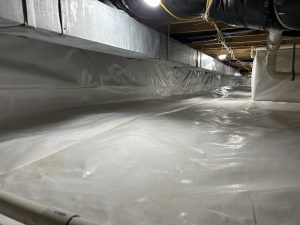 There is no fixed price for crawl space encapsulation because every home has different structural and moisture conditions. In Indiana, this variation is even more pronounced due to clay-heavy soil, heavy rainfall seasons, and freeze-thaw cycles that affect foundation movement.
The most significant cost factors usually include the size of the crawl space, the level of existing moisture damage, and whether additional drainage or structural repairs are required before sealing the space.
Size and Accessibility of the Crawl Space
Larger crawl spaces require more labor, more vapor barrier material, and more time to install a complete sealed system. Tight or low-clearance crawl spaces can also increase labor costs because installation becomes more difficult and time-consuming.
Moisture and Existing Damage
Homes with standing water, mold growth, or rotted wood components require more extensive preparation before encapsulation can be installed. In many cases, drainage improvements or structural reinforcement must be completed first.
Drainage Requirements
If water is actively entering the crawl space, a drainage system or sump pump may be needed. This significantly impacts overall project cost but is essential for long-term effectiveness.
What’s Included in a Full Crawl Space Encapsulation System
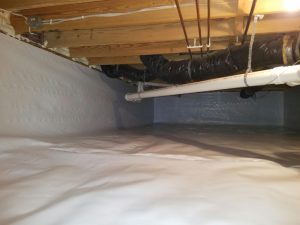
A true encapsulation system is more than just laying down plastic. It is a complete moisture-control solution designed to seal, dry, and protect the entire crawl space environment.
Vapor Barrier Installation
A thick, durable vapor barrier is installed across the floor and sometimes the walls to prevent moisture from rising through the soil and entering the home.
Air Sealing and Vent Closure
Open crawl space vents are sealed to stop humid outdoor air from entering, which is a common cause of condensation and mold growth in Indiana homes.
Drainage and Water Management Systems
If needed, interior drainage channels and sump pumps are installed to manage groundwater and prevent standing water from returning.
Dehumidification Systems
A crawl space dehumidifier helps maintain controlled humidity levels year-round, especially during Indiana’s humid summer months.
Typical Crawl Space Encapsulation Cost in Indiana
While exact pricing varies, most Indiana homeowners can expect encapsulation costs to fall into a wide range depending on system complexity. Basic moisture barrier installations are on the lower end, while full professional systems with drainage and dehumidification fall on the higher end.
Homes with severe moisture issues or structural damage will typically require a more comprehensive system, which increases cost but also ensures long-term protection and prevents recurring repairs.
Why Cheap Crawl Space Solutions Often Fail
Many homeowners try low-cost fixes such as thin plastic liners or partial sealing, but these solutions often fail in Indiana’s climate. The reason is simple: moisture doesn’t stay consistent year-round. Seasonal humidity, heavy rain, and groundwater pressure continue to affect the space unless it is fully sealed and managed.
Incomplete systems often lead to recurring mold, persistent odors, and continued structural deterioration—resulting in higher long-term costs than a proper encapsulation would have required initially.
 When You Should Schedule a Crawl Space Inspection
If you notice musty odors, high indoor humidity, cold or sagging floors, or visible moisture under your home, it’s a strong sign that a crawl space inspection is needed. Many issues develop gradually, so early detection can significantly reduce repair costs.
An inspection helps determine whether you need simple moisture control improvements or a full encapsulation system.
Crawl space encapsulation in Indiana is not a one-size-fits-all service, and pricing depends heavily on moisture severity, structural conditions, and system complexity. However, in nearly all cases, a properly installed encapsulation system provides long-term protection against mold, wood rot, and structural damage caused by Indiana’s humid climate.
For homeowners experiencing ongoing moisture issues, investing in a complete system is often more cost-effective than repeated repairs and damage restoration over time.
Frequently Asked Questions
How much does crawl space encapsulation cost in Indiana?
Costs vary based on crawl space size, moisture conditions, and whether drainage or dehumidification systems are required. Full systems are more expensive but provide long-term protection.
Is crawl space encapsulation worth it?
Yes. It helps prevent structural damage, improves indoor air quality, and reduces long-term repair costs caused by moisture and mold.
How long does crawl space encapsulation last?
A professionally installed encapsulation system can last for decades with proper maintenance and humidity control.

Since we are constantly working on damp crawlspaces and wet basements in the greater Indianapolis area, we are experts in structural floor repairs too. Whether you have sagging, bouncy, or unlevel floors, our solutions can help you.
Plus, we’re not only waterproofers, but we’re experts in structural floor repair. Whether you have foundation cracks, drywall cracks, or sagging floors, our structural repair specialists can help fix the problem. We’ve fixed hundreds of foundations and floor systems in homes and commercial buildings throughout the area.
Fixing your damp basements and crawlspaces before it becomes a big problem is the most affordable and effective option. You’ll avoid extra costly structural repairs and decreased home value. For our trained crawlspace technicians, a typical crawlspace repair usually takes less than a few days to complete. Many of our systems come with a warranty – so that you know the problem was fixed right. Give us a call us at 317-893-7016 to request a professional evaluation from our foundation repair experts.
**Lifetime Transferrable Warranties are for the lifetime of the home or 2 transfers of ownership. The CrawlDrain drainage system warranty guarantees no standing water in the crawl space. The sump pump is a 3 year parts and labor warranty. The CrawlSeal encapsulation system warranty guarantees the seams, sealants, and against rips or tears in the plastic. For more information about the warranties, request a copy of the warranty.