
Foundation problems can pose serious threats to the structural integrity and safety of residential homes. Addressing these issues with advanced techniques and solutions is crucial to maintaining a stable and secure living environment. This article explores innovative foundation repair methods, their applications, and the importance of professional assessment and prevention strategies.
Causes and Signs of Foundation Problems
Causes of Foundation Problems
Understanding the root causes of foundation problems is essential for effective repair. Common causes include:
1. Soil Movement and Settlement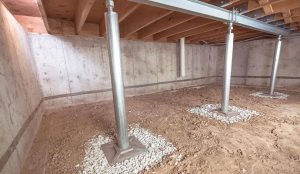
Soil movement due to expansion and contraction can cause the foundation to shift. Poorly compacted soil during construction can also lead to settlement issues over time.
2. Water and Moisture Issues
Excess water from poor drainage, leaks, or flooding can weaken the soil supporting the foundation. Water-related problems are a leading cause of foundation damage.
3. Tree Roots and Vegetation
Tree roots growing too close to the foundation can exert pressure and cause displacement. Vegetation can also alter soil moisture levels, affecting the foundation’s stability.
4. Poor Construction Practices
Inadequate construction practices, such as using substandard materials or failing to follow building codes, can result in a weak foundation prone to problems.
Signs of Foundation Problems
Early detection of foundation issues is critical for timely repairs. Look for these signs:
1. Visible Cracks
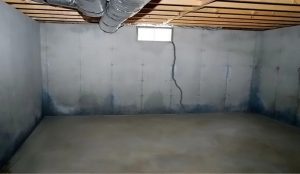
Cracks in walls, floors, and ceilings are common indicators of foundation problems. Horizontal cracks are particularly concerning and may signify serious structural issues.
2. Sticking Doors and Windows
Doors and windows that become difficult to open or close, or that have gaps around the frames, can signal foundation movement.
3. Uneven or Sagging Floors
Sloping or sagging floors indicate uneven foundation settlement. Use a level to check for floor unevenness.
4. Gaps and Separation
Gaps between exterior walls and window or door frames, as well as separation between walls and ceilings, can be signs of foundation movement.
5. Leaning or Bowing Walls
Foundation problems can cause basement or retaining walls to lean or bow inward. This is a severe issue that requires immediate attention.
Advanced Foundation Repair Techniques
Piering and Underpinning Methods
1. Helical Piers
Helical piers are steel shafts with helical plates that are screwed into the ground to stabilize and lift the foundation. They are ideal for supporting heavy loads and providing long-term stability.
- Advantages: Helical piers can be installed in various soil conditions, are minimally invasive, and provide immediate load-bearing capacity.
2. Push Piers
Push piers are hydraulically driven into the ground to support and lift the foundation. They are suitable for homes with significant settlement issues.
- Advantages: Push piers are highly effective in stabilizing foundations and can be installed quickly with minimal disruption.
Slab Jacking and Polyurethane Foam Injection
1. Slab Jacking (Mudjacking)
Slab jacking involves injecting a slurry mixture beneath a sunken concrete slab to lift it back to its original position. This method is commonly used for driveways, patios, and sidewalks.
- Advantages: Slab jacking is cost-effective, provides immediate results, and is suitable for large areas.
2. Polyurethane Foam Injection
Polyurethane foam injection is a modern alternative to slab jacking. High-density foam is injected beneath the foundation to lift and stabilize it.
- Advantages: This method is quick, minimally invasive, lightweight, and provides long-lasting results.
Wall Repair and Reinforcement
1. Wall Anchors
Wall anchors stabilize and straighten bowing or leaning walls. Steel plates are installed on the interior wall and connected to anchors placed in the soil outside the foundation.
- Advantages: Wall anchors provide a permanent solution for bowing walls and can be adjusted over time.
2. Carbon Fiber Reinforcement
are applied to cracked or bowing walls to provide additional support and prevent further movement.
- Advantages: This method is less invasive, more aesthetically pleasing, and provides strong reinforcement.
Foundation Drainage Solutions
1. French Drains
French drains are trenches filled with gravel and perforated pipes that direct water away from the foundation.
- Advantages: French drains effectively manage surface and groundwater, preventing foundation erosion.
2. Surface Drains
Surface drains collect and divert water away from the foundation through a series of grates and pipes.
- Advantages: Surface drains are effective in managing large volumes of water and preventing pooling near the foundation.
3. Sump Pumps
Sump pumps are installed in basements or crawl spaces to remove accumulated water and prevent flooding.
- Advantages: Sump pumps provide reliable water management and protect against basement flooding.
Professional Assessment and Prevention
Importance of Professional Assessment
Professional assessment is crucial for accurately diagnosing foundation problems and determining the most effective repair methods. Foundation repair contractors use advanced tools and techniques to assess the condition of your foundation and recommend appropriate solutions.
Prevention Strategies
Preventing foundation problems requires proactive measures to maintain the stability of your home. Here are some key strategies:
1. Maintain Proper Drainage
Ensure that the ground around your home slopes away from the foundation. Clean gutters and downspouts regularly to direct rainwater away from the house.
2. Control Moisture Levels
Monitor and manage moisture levels around your foundation. Avoid planting trees or large shrubs too close to the house, and use a soaker hose during dry periods to maintain consistent soil moisture.
3. Regular Inspections
Regularly inspect your home for signs of foundation problems. Pay attention to cracks, sticking doors and windows, and any changes in the structure.
4. Address Plumbing Issues Promptly
Repair any plumbing leaks or issues promptly to prevent water from seeping into the soil around your foundation.
5. Maintain Consistent Indoor Humidity
Use a dehumidifier in the basement or crawl space to maintain consistent indoor humidity levels and prevent moisture-related foundation issues.
Foundation repair is a critical aspect of home maintenance that ensures the stability and safety of your home. By understanding the causes and signs of foundation problems and exploring advanced repair methods, homeowners can make informed decisions to protect their investment. Regular maintenance and proactive measures can prevent foundation issues from arising, providing peace of mind and a solid foundation for years to come. Investing in professional assessment and implementing effective repair solutions will safeguard your home’s structural integrity and enhance its longevity.
Contact the Professionals at Indiana Crawl Space Repair Today! 317-893-7016

Since we are constantly working on damp crawlspaces and wet basements in the greater Indianapolis area, we are experts in structural floor repairs too. Whether you have sagging, bouncy, or unlevel floors, our solutions can help you.
Plus, we’re not only waterproofers, but we’re experts in structural floor repair. Whether you have foundation cracks, drywall cracks, or sagging floors, our structural repair specialists can help fix the problem. We’ve fixed hundreds of foundations and floor systems in homes and commercial buildings throughout the area.
Fixing your damp basements and crawlspaces before it becomes a big problem is the most affordable and effective option. You’ll avoid extra costly structural repairs and decreased home value. For our trained crawlspace technicians, a typical crawlspace repair usually takes less than a few days to complete. Many of our systems come with a warranty – so that you know the problem was fixed right. Give us a call us at 317-893-7016 to request a professional evaluation from our foundation repair experts.
**Lifetime Transferrable Warranties are for the lifetime of the home or 2 transfers of ownership. The CrawlDrain drainage system warranty guarantees no standing water in the crawl space. The sump pump is a 3 year parts and labor warranty. The CrawlSeal encapsulation system warranty guarantees the seams, sealants, and against rips or tears in the plastic. For more information about the warranties, request a copy of the warranty.