
Yes, crawl space encapsulation is often worth the investment for Indiana homeowners dealing with high humidity, exposed dirt floors, standing water, musty odors, wet insulation, cold floors, or moisture-related wood damage. A professionally sealed crawl space can help reduce moisture, protect floor joists and subflooring, improve indoor comfort, and lower heating and cooling demand. Costs vary based on crawl space size, drainage needs, structural repairs, liner thickness, dehumidification, and the overall condition of the space.
For homeowners across Indianapolis and Central Indiana, crawl space moisture can become a recurring problem because of seasonal humidity, heavy rain, temperature swings, and moisture rising from exposed soil. Encapsulation creates a cleaner, drier, more controlled environment beneath the home and can help prevent small moisture issues from developing into expensive structural repairs.
Research highlighted by the U.S. Department of Energy found that properly designed unvented, conditioned crawl spaces used approximately 15% to 18% less energy for heating and cooling than traditional vented crawl spaces in studied homes. Actual savings vary based on the home’s HVAC system, insulation, air leakage, crawl space condition, and other factors.
What Does Crawl Space Encapsulation Include?
Crawl space encapsulation is a moisture-control method that seals the crawl space from exposed soil, foundation-wall moisture, humid outdoor air, and other common sources of moisture infiltration.
Unlike a basic plastic sheet loosely placed over a dirt floor, a complete encapsulation system creates a sealed environment that can be actively managed with drainage, air sealing, insulation, and dehumidification when needed.
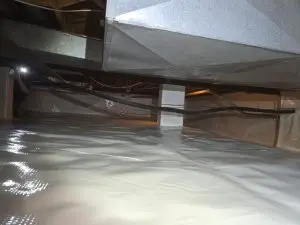
- Heavy-Duty Vapor Barrier: A reinforced liner installed over exposed soil and sealed around foundation walls, columns, plumbing penetrations, and other openings.
- Sealed Crawl Space Vents and Access Doors: Helps reduce uncontrolled outdoor air and humidity from entering the crawl space.
- Crawl Space Drainage: Interior perimeter drainage may be installed when groundwater or recurring seepage is present.
- Sump Pump System: Collects and removes water before it can accumulate beneath the home.
- Crawl Space Dehumidifier: Helps maintain controlled relative humidity after the space has been sealed.
- Rim Joist or Band Board Insulation: May be added to improve air sealing and thermal performance.
- Structural Repairs When Needed: Damaged joists, beams, sill plates, or support columns should be repaired separately from the moisture-control system.
A complete encapsulation system should be designed around the actual condition of the crawl space rather than treated as a one-size-fits-all installation.
How Much Does Crawl Space Encapsulation Cost in Indiana in 2026?
Crawl space encapsulation in Indiana can range from a relatively simple vapor-barrier installation to a complete moisture-management and structural-repair project.
For planning purposes, homeowners may see project costs ranging from approximately $3,000 for limited sealing work to $18,000 or more for large crawl spaces requiring drainage, sump pumps, dehumidification, or structural repairs.
| Project Scope | Estimated Cost Range | What Is Included? |
|---|---|---|
| Basic Sealing | $3,000 – $5,500 | Ground vapor barrier, vent sealing, basic crawl space cleaning |
| Full Encapsulation System | $5,500 – $12,000 | Heavy-duty sealed liner, vent sealing, insulation improvements, dehumidifier |
| Complete Repair & Drainage | $12,000 – $18,000+ | Encapsulation plus drainage, sump pump systems, and structural repairs when needed |
These ranges are general planning estimates. The actual price depends on the condition, size, and complexity of the crawl space.
What Affects Crawl Space Encapsulation Cost?
Several factors determine the final cost of crawl space encapsulation in Indiana.
Crawl Space Size
Larger crawl spaces require more liner, sealing materials, drainage components, and labor.
Crawl Space Height and Accessibility
Low-clearance spaces are more difficult to navigate and often require additional installation time.
Existing Water Problems
Standing water, groundwater seepage, or recurring water intrusion may require perimeter drainage and a sump pump before encapsulation can be completed.
Mold or Wood Damage
Mold growth, fungal decay, rotted floor joists, damaged beams, or deteriorated sill plates may require remediation or structural repair.
Vapor Barrier Thickness
Heavy-duty reinforced liners generally cost more than basic plastic sheeting but provide greater durability and resistance to tearing.
Dehumidification
Some crawl spaces require a dedicated dehumidifier to maintain stable humidity after sealing.
Drainage and Sump Pumps
Homes with active groundwater problems may require a complete drainage system rather than encapsulation alone.
Contractor, Materials, and Warranty
Pricing can also vary depending on installation methods, liner thickness, drainage design, dehumidifier capacity, warranty coverage, and labor.
Homeowners should compare estimates based on the scope of work, not only the final price.
When Is Crawl Space Encapsulation Worth It?
Encapsulation is especially worth considering when moisture problems are already affecting the crawl space or the living area above it.
| Crawl Space Condition | Is Encapsulation Worth Considering? |
|---|---|
| Exposed dirt floor | Yes |
| Persistent high humidity | Yes |
| Musty odors | Often |
| Wet or sagging insulation | Yes |
| Condensation on ducts or wood | Yes |
| Mold or fungal growth | Usually, after correcting the moisture source |
| Standing water after rain | Yes, but drainage should be addressed first |
| Rotting joists or subfloor | Yes, together with structural repair |
| Cold or uncomfortable floors | Often |
| Completely dry, well-controlled crawl space | Depends on the existing system and homeowner goals |
The more moisture-related symptoms a crawl space has, the more valuable a comprehensive moisture-control system may become.
What Are the Main Benefits of Crawl Space Encapsulation?
1. Lower Heating and Cooling Demand
Crawl spaces can significantly affect the temperature and humidity of the living areas above them.
When hot, humid air enters through crawl space vents during summer, the HVAC system must work harder to maintain comfortable indoor conditions. During winter, cold outside air can contribute to colder floors and greater heat loss.
Research cited by the U.S. Department of Energy found approximately 15% to 18% lower heating and cooling energy use in studied homes with properly designed unvented, conditioned crawl spaces compared with traditional vented designs.
Actual energy savings vary from home to home.
2. Protection Against Floor Joist and Structural Wood Damage
Persistent crawl space moisture can damage structural wood over time.
High humidity and repeated moisture exposure can contribute to fungal growth and deterioration in:
- Floor joists
- Beams
- Sill plates
- Band boards
- Subflooring
- Wooden support structures
Once structural wood begins to weaken, homeowners may experience sagging floors, uneven flooring, cracks, or movement inside the home.
Encapsulation helps reduce the moisture conditions that contribute to wood deterioration.
3. Better Crawl Space Humidity Control
A sealed crawl space is easier to manage than an open, vented crawl space.
Once ground moisture and uncontrolled outside air are reduced, a properly sized dehumidifier can help keep relative humidity within a safer range.
The U.S. Environmental Protection Agency recommends controlling indoor humidity and generally keeping relative humidity below 60%, with approximately 30% to 50% being preferable when practical.
4. Reduced Musty Odors
Musty smells often originate from damp soil, wet insulation, mold growth, or moisture-damaged materials beneath the home.
Because air can move from the crawl space into the living area, odors originating below the home may become noticeable indoors.
Encapsulation can significantly reduce these odors when the underlying moisture source is properly addressed.
5. Improved Indoor Comfort
Homeowners may also notice improved comfort after controlling crawl space moisture and air leakage.
Possible improvements include:
- Warmer floors during winter
- Less humid indoor air during summer
- Reduced drafts
- More consistent indoor temperatures
- Less condensation around ducts and plumbing
6. Protection During Home Inspections
A damp crawl space can raise concerns during a home inspection.
Inspectors and buyers may notice:
- Standing water
- Visible mold
- Damaged insulation
- Wood deterioration
- Sagging structural components
- High humidity
- Musty odors
A clean, dry crawl space with documented moisture-control improvements can make it easier for buyers and inspectors to understand how problems beneath the home have been addressed.
Crawl Space Encapsulation vs. Vapor Barrier: What Is the Difference?
A crawl space vapor barrier typically refers to plastic sheeting placed over exposed soil to reduce ground moisture evaporation.
A full crawl space encapsulation system goes much further.
Encapsulation typically seals:
- The crawl space floor
- Foundation walls
- Columns and piers
- Vents
- Access doors
- Plumbing penetrations
- Other openings where moisture or outside air can enter
Depending on the home, encapsulation may also include:
- Drainage
- Sump pumps
- Dehumidification
- Insulation
- Structural repairs
- Mold remediation
For Indiana homes with persistent humidity, groundwater intrusion, or structural moisture damage, placing plastic over the soil alone may not solve the entire problem.
Does Crawl Space Encapsulation Help With Indiana Humidity?
Yes, controlling humidity is one of the main reasons homeowners choose crawl space encapsulation.
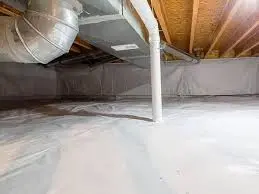
When outdoor vents remain open, warm humid air may enter the crawl space and condense against cooler surfaces such as:
- HVAC ducts
- Plumbing
- Floor joists
- Subflooring
- Foundation walls
A sealed crawl space reduces uncontrolled outdoor air and ground moisture, making humidity easier to manage.
Does Crawl Space Encapsulation Prevent Mold?
Encapsulation helps reduce the moisture conditions mold needs to grow, but it should not be treated as a substitute for proper mold remediation.
Existing mold should be addressed before or during encapsulation, and the underlying source of moisture should also be corrected.
Common crawl space moisture sources include:
- Groundwater seepage
- Plumbing leaks
- Open crawl space vents
- Poor exterior drainage
- Condensation
- Exposed soil
- High indoor humidity
The EPA emphasizes that effective mold control begins with moisture control.
When Encapsulation Alone Is Not Enough
Crawl space encapsulation should not be used to cover up an unresolved water or structural problem.
Additional work may be necessary when the crawl space has:
- Standing water after heavy rain
- Foundation drainage problems
- Recurring groundwater seepage
- A failed or missing sump pump
- Active plumbing leaks
- Significant mold contamination
- Rotted floor joists
- Damaged beams or sill plates
- Sagging floors
- Failing structural supports
In these situations, drainage, mold remediation, or structural repair should be addressed as part of the overall crawl space solution.
How Long Does Crawl Space Encapsulation Last?
A professionally installed reinforced vapor barrier can remain effective for many years.
The lifespan of the system depends on several factors, including:
- Material thickness
- Installation quality
- Groundwater conditions
- Pest activity
- Crawl space traffic
- Drainage performance
- Dehumidifier maintenance
- Sump pump condition
Heavy-duty reinforced liners are typically more durable than thin polyethylene sheets.
Regular crawl space inspections can also help identify punctures, drainage problems, dehumidifier issues, or sump pump failures before they become larger problems.
Frequently Asked Questions About Crawl Space Encapsulation in Indiana
Is crawl space encapsulation worth it in Indiana?
For many Indiana homes, yes. Encapsulation is especially worth considering when the crawl space has exposed soil, high humidity, musty odors, wet insulation, condensation, standing water, mold concerns, or moisture-related wood damage. The value comes from controlling moisture, protecting structural materials, improving comfort, and potentially reducing heating and cooling demand.
How much does crawl space encapsulation cost in Indiana?
Crawl space encapsulation costs vary based on square footage, crawl space height, accessibility, vapor barrier thickness, drainage, sump pumps, dehumidification, insulation, mold remediation, and structural repairs. Basic projects may cost several thousand dollars, while large or complex encapsulation and repair projects can exceed $15,000.
Does crawl space encapsulation lower energy bills?
It can. U.S. Department of Energy research on properly designed unvented and conditioned crawl spaces found heating and cooling energy savings of approximately 15% to 18% compared with traditional vented crawl spaces in studied homes. Actual savings vary depending on the home.
Does an encapsulated crawl space need a dehumidifier?
Many encapsulated crawl spaces benefit from a dedicated dehumidifier, especially in humid climates. The dehumidifier helps maintain stable relative humidity after ground moisture and uncontrolled outside air have been reduced.
Whether one is required depends on the crawl space design, drainage system, HVAC configuration, insulation, and moisture conditions.
Does crawl space encapsulation stop mold?
Encapsulation can significantly reduce the moisture conditions that allow mold to grow, but existing mold should be properly addressed. Water intrusion, leaks, drainage problems, and excessive humidity should also be corrected as part of the project.
Can crawl space encapsulation eliminate musty odors?
It can greatly reduce musty odors when those odors originate from crawl space moisture, damp soil, mold growth, or wet materials.
Encapsulation works best when combined with proper drainage, mold treatment when necessary, and humidity control. Other odor sources should be investigated if smells remain after the crawl space has been dried.
How long does crawl space encapsulation last?
A professionally installed reinforced crawl space liner can remain effective for many years. Lifespan depends on material quality, installation, groundwater conditions, maintenance, pest activity, and warranty coverage.
Can I encapsulate my crawl space myself?
Some homeowners can install a basic ground vapor barrier, but full encapsulation is more complicated.
Professional installation may be especially valuable when the crawl space has:
- Groundwater
- Drainage problems
- Mold
- Plumbing or electrical penetrations
- Structural damage
- HVAC equipment
- Low clearance
- Standing water
Improper sealing can leave moisture sources unresolved or trap moisture in areas that are difficult to inspect.
Should crawl space vents be open or closed after encapsulation?
A properly designed encapsulated crawl space is generally sealed from uncontrolled outdoor air, including exterior vents.
Once the crawl space is sealed, humidity and air quality should be managed through an appropriate moisture-control strategy rather than relying on outdoor ventilation alone.
Is a vapor barrier enough for an Indiana crawl space?
Sometimes, but not always.
A vapor barrier may be sufficient when the primary problem is moisture evaporating from exposed soil and there is no significant groundwater, structural damage, or humidity problem.
Homes with standing water, recurring seepage, mold, high humidity, or structural deterioration often require a more complete encapsulation system.
Does crawl space encapsulation increase home value?
Encapsulation does not guarantee a specific increase in resale value, but resolving visible moisture, mold, insulation, and structural concerns can make a crawl space more attractive during a home inspection.
For buyers, a clean and dry crawl space can provide reassurance that moisture problems beneath the home have been addressed.
Is Crawl Space Encapsulation Worth It for Your Indiana Home?
For many homeowners in Indianapolis and Central Indiana, crawl space encapsulation is worth considering when moisture beneath the home is contributing to high humidity, musty odors, wet insulation, standing water, cold floors, mold concerns, or deteriorating structural wood.
The most important step is choosing the right solution for the actual condition of the crawl space.
Some Indiana homes may only need improved air sealing and a reinforced vapor barrier. Others may require:
- Crawl space drainage
- Sump pump installation
- Dehumidification
- Insulation
- Mold treatment
- Floor joist repair
- Beam or support repair
- Complete crawl space encapsulation
Indiana Crawl Space Repair provides crawl space inspections, encapsulation, waterproofing, moisture control, drainage, insulation, and structural repair throughout the Greater Indianapolis area and Central Indiana, including Indianapolis, Carmel, Fishers, Greenwood, Avon, Noblesville, Plainfield, Martinsville, Franklin, Bloomington, Columbus, Greenfield, Mooresville, Terre Haute, and nearby communities.
If you are unsure whether full encapsulation is necessary, a crawl space inspection can help identify the source of the moisture and determine whether the home needs a vapor barrier, drainage, dehumidification, structural repair, or a complete encapsulation system.
Ready to protect the area beneath your home?
Schedule your Free Written Crawl Space Estimate with Indiana Crawl Space Repair or call 317-893-7016 today.

Since we are constantly working on damp crawlspaces and wet basements in the greater Indianapolis area, we are experts in structural floor repairs too. Whether you have sagging, bouncy, or unlevel floors, our solutions can help you.
Plus, we’re not only waterproofers, but we’re experts in structural floor repair. Whether you have foundation cracks, drywall cracks, or sagging floors, our structural repair specialists can help fix the problem. We’ve fixed hundreds of foundations and floor systems in homes and commercial buildings throughout the area.
Fixing your damp basements and crawlspaces before it becomes a big problem is the most affordable and effective option. You’ll avoid extra costly structural repairs and decreased home value. For our trained crawlspace technicians, a typical crawlspace repair usually takes less than a few days to complete. Many of our systems come with a warranty – so that you know the problem was fixed right. Give us a call us at 317-893-7016 to request a professional evaluation from our foundation repair experts.
**Lifetime Transferrable Warranties are for the lifetime of the home or 2 transfers of ownership. The CrawlDrain drainage system warranty guarantees no standing water in the crawl space. The sump pump is a 3 year parts and labor warranty. The CrawlSeal encapsulation system warranty guarantees the seams, sealants, and against rips or tears in the plastic. For more information about the warranties, request a copy of the warranty.