
You’ve invested time, money, and love into making your home a haven, but have you given thought to the lurking threat of water damage? “The Ultimate Guide to Basement Waterproofing” provides invaluable advice to help you defend your home against this silent destroyer. Where do you start, and which waterproofing method is best for your situation? And what about maintenance or even professional intervention? Hold onto your hats, folks – we’re about to plunge into a deep pool of knowledge on keeping your basement dry and your home protected.
Key Takeaways
- Understand different basement waterproofing methods: interior drainage, exterior waterproofing, and sealants, each with unique benefits and limitations.
- Evaluate the potential risks of a wet basement, including structural damage, mold growth, electrical hazards, pest infestation, and decreased home value.
- Follow a comprehensive waterproofing process: thorough assessment, preparation, repair, primer application, and final product application for effective sealing.
- Implement maintenance practices such as regular sump pump check-ups, gutter and downspout care, and landscaping considerations to ensure basement protection.
- Consider hiring professional waterproofing services for expert advice, better identification of issues, and long-term investment in home protection.
Understanding Basement Waterproofing
Nearly every homeowner will have to grapple with basement waterproofing at some point.
Whether you’re dealing with a minor dampness issue or a more severe flooding problem, understanding the basics of basement waterproofing is essential.
Firstly, you’ve got to know that there are three primary methods of waterproofing – interior water drainage, exterior waterproofing, and sealants.
Each method has its own pros and cons, and the best one for you’ll depend on your specific circumstances.
Interior water drainage, for instance, is usually the most cost-effective method and works by controlling water levels after it has entered your home.
Exterior waterproofing, on the other hand, prevents water from entering your home in the first place but can be more costly and disruptive.
Sealants can be a quick fix for minor leaks, but they’re not typically recommended as a long-term solution.
You should also be aware of the signs that you need basement waterproofing.
These can include visible water on the floor, damp or discolored walls, a musty smell, or mold growth.
However, don’t wait for these signs to appear before taking action.
Preventive measures are always better than reactive ones.
The Dangers of a Wet Basement
While understanding the basics of basement waterproofing is important, it’s equally vital to recognize the potential dangers of a wet basement. Your home’s structural integrity can be seriously compromised if left unchecked. The moisture seeping into the walls and floors can cause them to crack, warp, or buckle, destabilizing your home’s foundation.
Moreover, a wet basement is a breeding ground for mold and mildew. These fungi can pose serious health risks, especially for those with allergies or respiratory conditions. They can cause a slew of symptoms such as coughing, eye irritation, and even severe lung infections.
Additionally, if your basement houses electrical equipment or wiring, water infiltration can lead to electrical short circuits or fires, posing a grave safety risk.
Moisture also encourages pest infestations, from rodents to insects, which can further damage your property and become a nuisance.
Lastly, a damp basement can negatively impact your home’s value. Potential buyers are likely to be deterred by the signs of water damage and the costs associated with rectifying it.
Fundamentally, a wet basement isn’t just an inconvenience, it’s a ticking time bomb that can cause significant harm to your home and health.
Different Methods of Waterproofing
Shielding your home from water damage begins with the right basement waterproofing method.
There’s no one-size-fits-all solution, as the method that’s most effective depends on your home’s specific circumstances and needs.
However, it’s important to familiarize yourself with the most common methods of waterproofing:
- Interior Water Drainage: Contrary to what you may think, this method doesn’t stop water from entering your basement; instead, it manages the water once it’s inside.
It’s typically less expensive than exterior methods and doesn’t require excavation.
- Exterior Waterproofing: This method is more invasive and costlier but can be more effective for severe issues.
It involves excavating around your home’s foundation and applying a waterproof coating.
- Sealants and Coatings: These are often used in conjunction with other methods.
They seal cracks and stop minor leaks, but they aren’t a solution for serious water issues.
Each of these methods has its advantages and limitations, so it’s essential to consult with a professional to determine the best fit for your home.
Waterproofing your basement isn’t just about stopping water; it’s about protecting your home’s structural integrity.
Step-by-Step Waterproofing Process
Your home’s journey to becoming a waterproof fortress begins with a thorough understanding of the step-by-step waterproofing process. This process isn’t a simple task, but with patience and precision, it’s definitely achievable.
The first step is assessment. You’ve got to evaluate the current state of your basement. Look for signs of water damage like mold, mildew, or water stains. If the problem’s severe, you might need a professional.
Next, prepare your basement. Clear any furniture or stored items. You’ll also want to clean the walls and floor to guarantee a smooth application of waterproofing products.
Then, it’s time to fix any cracks or holes in the walls and floor. Use a patching compound for minor repairs.
Now, you’re ready to apply a waterproofing primer. This helps the waterproofing product adhere properly. Allow it to dry completely before moving to the next step.
The final step is the application of the waterproofing product. Confirm a uniform layer on all surfaces. It’s recommended to apply at least two coats for maximum protection.
Choosing the Right Waterproofing Product
After successfully preparing your basement and fixing any noticeable damage, the next vital step is choosing the right waterproofing product. This choice is essential, as each product offers unique benefits and is designed for different conditions and applications. Therefore, you need to opt for one that aligns with your specific needs and circumstances.
To do this effectively, consider the following:
- Type of Product: There are various types of waterproofing products, including sealants, waterproofing paints, and cementitious solutions. Each of these has its unique strengths and is suitable for different situations.
- Product Quality: Don’t compromise on the quality of the product. High-quality waterproofing products tend to last longer and offer better protection against water damage.
- Compatibility: Verify the product you choose is suitable for your basement’s conditions. For instance, if your basement has a high level of humidity, opt for a product specifically designed for such environments.
Hiring Professional Waterproofing Services
When it comes to waterproofing your basement, you might find it advantageous to hire professional services. Doing so offers a wealth of benefits that you mightn’t have considered.
Professionals can identify potential issues that you may miss, guaranteeing that your basement remains dry and safe.
Start by researching various companies and their offerings. Look at their experience, customer reviews, and guarantees.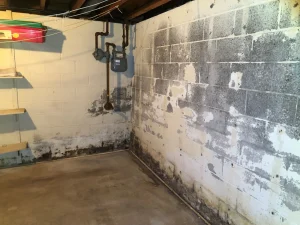
You’ll want a company that’s been in the business for several years, has positive customer feedback, and stands by their work.
Don’t be afraid to ask for estimates from multiple companies. Remember, you’re not just paying for labor; you’re also paying for expertise, quality materials, and peace of mind.
Make sure you’re getting the best value for your money.
Be sure to ask specific questions about their process. Will they take care of any necessary permits? How long will the job take? What kind of after-service do they offer?
Ultimately, hiring professional waterproofing services can save you time, effort, and future headaches.
It’s an investment in your home that’ll pay off in the long run. Confirm you’re making the right choice – your basement’s health depends on it.
Maintaining Your Waterproofed Basement
Now that your basement’s waterproofed, it’s essential to keep it in top shape.
Regular basement inspections and preventive maintenance techniques are key elements to guarantee the longevity of your investment.
We’ll discuss how you can effectively carry out these practices in the following sections.
Regular Basement Inspections
To maintain a waterproofed basement, conducting regular inspections should be high on your priority list.
It’s not enough to waterproof your basement once and then forget about it. Regular checks are essential to guarantee the ongoing effectiveness of your waterproofing system.
When inspecting, focus on key areas that might be prone to water damage.
Look out for signs of moisture, such as dampness, mould, or mildew. You should also check for cracks or damage to the walls and foundation.
Any issues, no matter how minor they seem, could indicate a potential problem with your waterproofing.
Remember, spotting issues early can save you time, money, and stress in the long run.
So, here’s a short list of things you should pay extra attention to:
- The state of your sump pump: Make sure it’s working correctly and efficiently.
- Gutters and downspouts: Check they’re clear and directing water away from your home.
- Window wells: Inspect for any signs of leaks or moisture build-up.
Preventive Maintenance Techniques
Keeping your basement dry and free from water damage isn’t a one-time job, it’s a continuous effort. Part of this effort includes preventive maintenance techniques. These are actions you can take to reduce the likelihood of water damage in the future.
Firstly, keep your gutters and downspouts clean and clear. They’re designed to direct rainwater away from your home. If they’re blocked or damaged, water can pool around your foundation, increasing the risk of basement leaks. Regularly inspect and clean them, especially during periods of heavy rainfall.
Secondly, consider the landscape around your home. If the ground slopes towards your house, it can direct water towards your foundation. Landscaping to redirect this water can greatly reduce the risk of basement flooding.
Lastly, regularly inspect your basement for early signs of water damage. This may include damp patches, peeling paint, or a musty smell. If you spot these signs, act quickly to identify and fix the source of the problem.
This could involve resealing your basement walls, repairing cracks in the foundation, or addressing drainage issues.
Frequently Asked Questions
What Is the Average Cost of Basement Waterproofing?
You’re probably wondering about the average cost of basement waterproofing. It can vary widely based on your home’s needs, but typically, you’ll spend between $3,000 and $10,000. It’s a significant investment, but worth every penny.
Can I Waterproof My Basement on My Own, or Do I Need Professional Help?
Yes, you can waterproof your basement yourself if you’re handy and have the right tools. However, professional help guarantees it’s done right, avoiding costly mistakes. It’ll depend on your skill level and the basement’s condition.
How Long Does the Basement Waterproofing Process Generally Take?
The duration of basement waterproofing varies. It’ll typically take a professional team one to two days. If you’re doing it yourself, it could take longer, depending on your skills and the basement’s condition.
Does Homeowners Insurance Cover Damages Caused by a Non-Waterproofed Basement?
Generally, homeowners insurance doesn’t cover water damage from a non-waterproofed basement. It’s like closing the barn door after the horse has bolted. You’re responsible for regular home maintenance, including waterproofing your basement.
What Are the Signs That My Basement Needs Waterproofing?
If you’re spotting damp walls, mold growth, a musty smell, or water pooling, it’s time you consider waterproofing your basement. Don’t ignore these signs – they’ll lead to bigger, costlier problems if left untreated.
Don’t let the threat of water damage intimidate you. You’ve got the knowledge now to tackle basement waterproofing like a pro. Sure, it might seem challenging at first, but remember, you’re not alone. Professional services are always available for help. Stay proactive with regular maintenance and you’ll keep your home dry and safe. Take control today; because a waterproofed basement isn’t just an investment, it’s peace of mind.
Contact the Professionals at Indiana Crawl Space Repair Today! 317-893-7016

Since we are constantly working on damp crawlspaces and wet basements in the greater Indianapolis area, we are experts in structural floor repairs too. Whether you have sagging, bouncy, or unlevel floors, our solutions can help you.
Plus, we’re not only waterproofers, but we’re experts in structural floor repair. Whether you have foundation cracks, drywall cracks, or sagging floors, our structural repair specialists can help fix the problem. We’ve fixed hundreds of foundations and floor systems in homes and commercial buildings throughout the area.
Fixing your damp basements and crawlspaces before it becomes a big problem is the most affordable and effective option. You’ll avoid extra costly structural repairs and decreased home value. For our trained crawlspace technicians, a typical crawlspace repair usually takes less than a few days to complete. Many of our systems come with a warranty – so that you know the problem was fixed right. Give us a call us at 317-893-7016 to request a professional evaluation from our foundation repair experts.
**Lifetime Transferrable Warranties are for the lifetime of the home or 2 transfers of ownership. The CrawlDrain drainage system warranty guarantees no standing water in the crawl space. The sump pump is a 3 year parts and labor warranty. The CrawlSeal encapsulation system warranty guarantees the seams, sealants, and against rips or tears in the plastic. For more information about the warranties, request a copy of the warranty.